Iran denounced planned new U.S. economic sanctions Saturday as unlawful “economic warfare” and an attempt to impose American authority over other sovereign nations. Iranian Foreign Ministry spokesman Esmaeil Baghaei said the threatened secondary sanctions would force foreign banks, companies and airports to stop lawful commerce with Iran even though they fall under the jurisdiction of […]
Menej ako 1 min.
min.
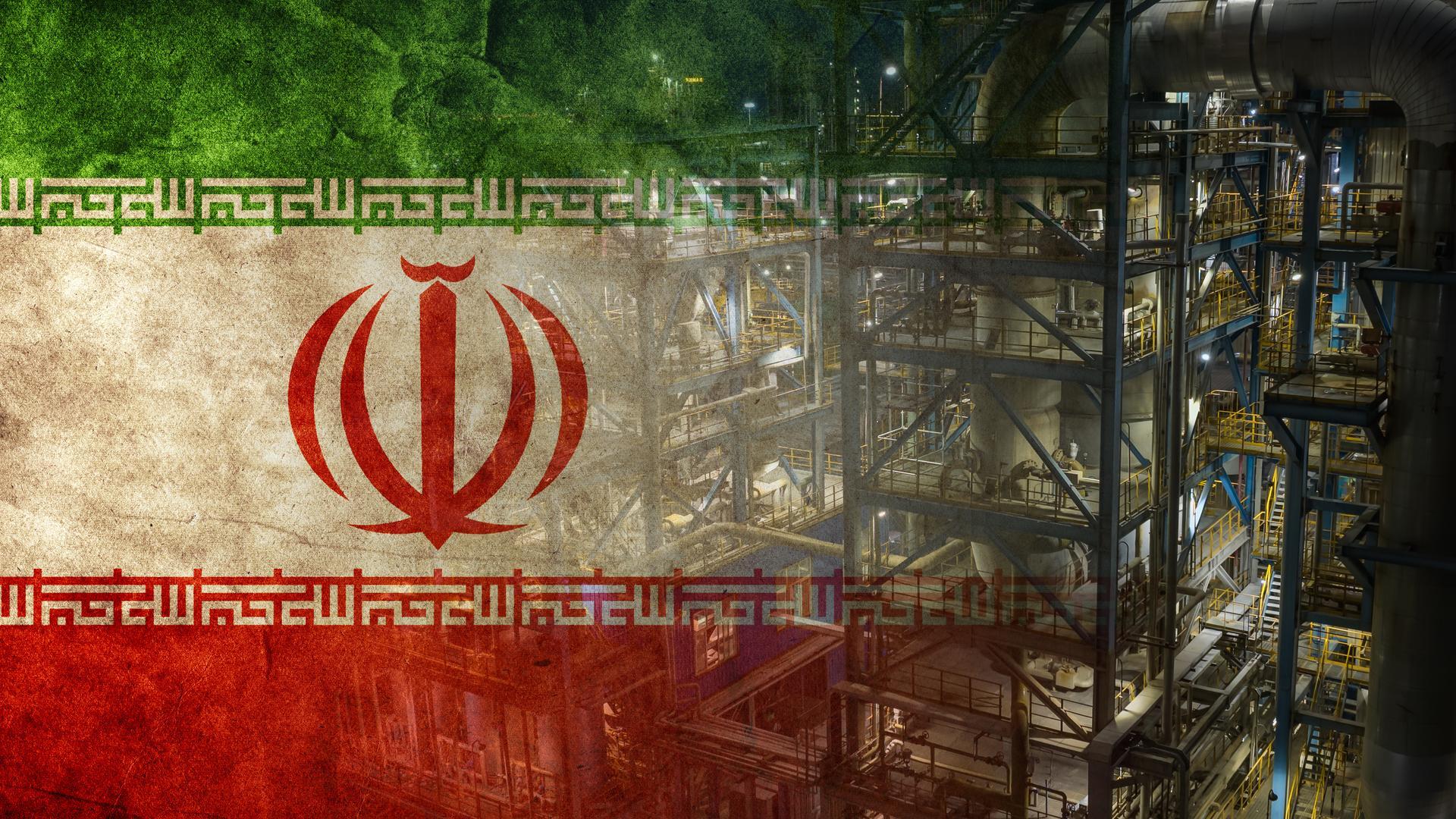
Iran denounced planned new U.S. economic sanctions Saturday as unlawful “economic warfare” and an attempt to impose American authority over other sovereign nations.
Iranian Foreign Ministry spokesman Esmaeil Baghaei said the threatened secondary sanctions would force foreign banks, companies and airports to stop lawful commerce with Iran even though they fall under the jurisdiction of their own governments. He said the measures had “no foundation in international law” and violated the principle of sovereign equality under the U.N. Charter.

Download the Straight Arrow app today to get the stories that matter free from manipulation, bias or agenda.™
Point phone camera here
“The end result would be the complete erosion of sovereignty as the foundational basis of the U.N.-based inter-State system, and a recipe for an abysmal return to full-scale classic colonialism,” Baghaei wrote in a post on X.
The comments came after President Donald Trump said the United States would launch what he called the “most crushing economic operation ever taken against any country” and warned that any country allowing its financial institutions, businesses, airports or government entities to provide a “lifeline” to Iran would face severe economic consequences.
Sanction announcement Monday
Treasury Secretary Scott Bessent said in a CNBC interview that he would hold a news conference Monday to explain the sanctions. Bessent said the measures would be part of “the greatest coordinated economic isolation in the history of the world” and that Washington would tell allies and other countries they are “either with us or against us.”
Bessent said the economic campaign, combined with a U.S. naval blockade, was intended to pressure Iran without restarting large-scale military operations. “We have the blockade, and we are going to have the toughest sanctions in history,” he said.
Iranian officials rejected the pressure campaign and signaled they would not back down. First Vice President Mohammad Reza Aref said the government would not allow what he called U.S. “economic terrorism” to threaten economic stability or people’s livelihoods. Parliament Speaker Mohammad Baqer Qalibaf said neighboring countries had contacted Tehran about new regional security and economic arrangements, saying a “homegrown, independent order” was needed to deliver peace and security.