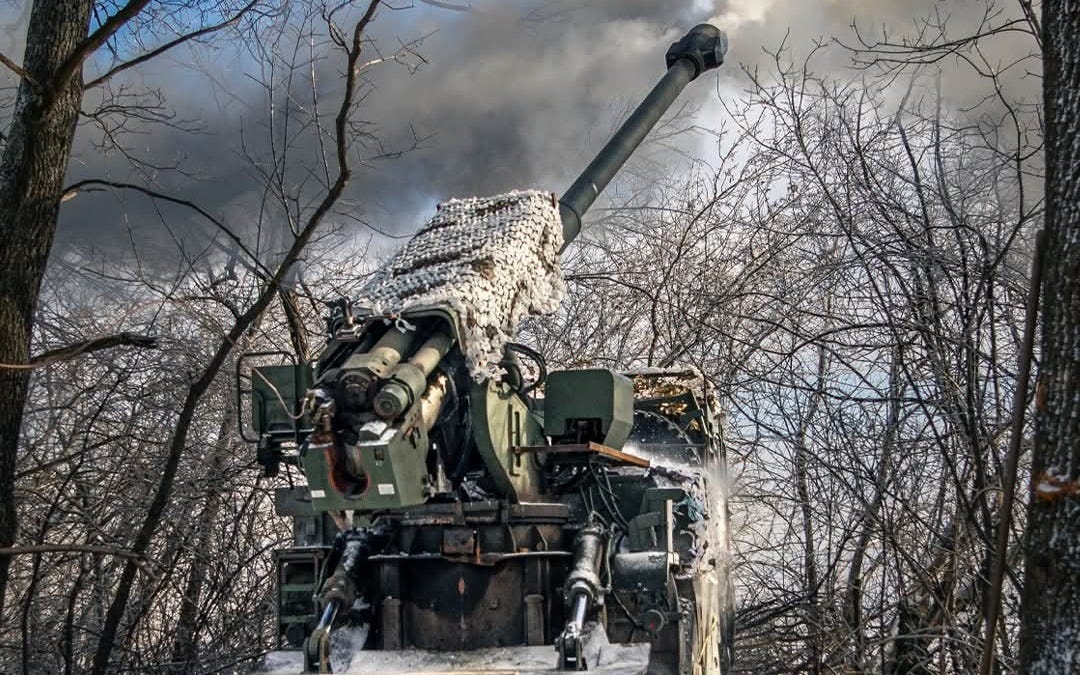
Photo: 48th Separate Artillery Brigade named after Colonel of the Army of the Ukrainian People’s Republic Hryhorii Chyzhevskyi / X Despite the terrors of war, we should take note of some positive developments from last week. Among them were a series of successful Ukraine–Germany joint ventures, mostly focused on drone production. It also appears that […]
Menej ako 1 min.
min.
Despite the terrors of war, we should take note of some positive developments from last week. Among them were a series of successful Ukraine–Germany joint ventures, mostly focused on drone production. It also appears that Ukraine has finally moved to officially open its arms exports.
Starlink restrictions continue to affect Russian operations. And, unexpectedly, another positive development comes from Russia: its self-imposed restrictions on Telegram — a key tool for frontline units, volunteers, and the broader defence ecosystem — are likely to further disrupt battlefield communications for Russian troops.
In this edition:
-
Ukraine-Germany Defence Deals and the Opening of Arms Exports;
-
How ISTAR Works in a Real War;
-
Russia’s Workarounds to Starlink and Telegram;
-
10+ additional developments in Ukraine and Russia.
Thank you for reading and supporting my work!
Monday, February 16, is the final day of my fundraising campaign to purchase a vehicle for my friend Volodymyr, who is serving in the Armed Forces of Ukraine 🇺🇦 50 people contributed to this campaign and raised 80% of the target amount so far!
I’d appreciate it if you could consider joining and donating to my PayPal!
Ukraine-Germany Defence Deals and the Opening of Arms Exports
Last week, during the Munich Security Conference, several important developments took place, including the announcement of three major agreements between Ukrainian and German defence manufacturers, as well as other significant steps in Ukraine–Germany defence cooperation.
-
Ukrainian defence company TAF Industries signed an agreement with German manufacturer Wingcopter to launch joint drone production in Germany. According to TAF, they are operating within the Build with Ukraine programme.
TAF Industries is one of the largest FPV drone producers in Ukraine. Read my profile article about them: “We Can Produce 150,000 FPVs per Month”: Ukrainian TAF Industries.
-
German company Auterion, a global leader in operating systems for autonomous drones, and Ukrainian defence tech company Airlogix announced the creation of a joint venture to produce AI-guided UAVs for Ukraine and allied countries. Production will take place in Germany, and the first deliveries are scheduled for 2026.
Airlogix specializes particularly in the development of reconnaissance drones. Read my article about Airlogix: GOR: Top-Rated Reconnaissance Drone by Airlogix.
-
German defence startup Stark announced the opening of its own R&D Center in Ukraine. It has an area of 2,000 square meters, which will accommodate more than 200 specialists. The center’s tasks will be research and development, system integration, and training, enabling the company to accelerate the transition from development to serial production. In addition, Stark plans to build its own production facilities in Ukraine.
-
Ukrainian Tencore and German FERNRIDE agreed to establish a joint venture in Germany to produce the TerMIT ground robotic platform. The manufactured systems are planned to be supplied to Ukraine, while the partners will continue joint development in the fields of artificial intelligence and autonomy.
Read my article about TerMIT here: TerMIT Drone and the Future of Unmanned Ground Vehicles in Ukraine.
-
Ukrainian President Zelensky received the first Ukrainian drone (Linza 3.0 multi-purpose drone) manufactured in Germany by Quantum Frontline Industries. A joint venture between German Quantum Systems and Ukrainian Frontline Robotics was launched in December 2025. The QFI facility will enable the large-scale production of 10,000 battlefield-approved drones for the AFU in Germany within a year and has now started early-stage production.
Read about this JV here: Ukrainian Drone Tech + German Automation: Quantum Frontline Industries.
Also, during a visit by a Ukrainian delegation, Quantum Systems unveiled a previously unknown jet-powered UAV, writes Militarnyi. No additional information about the drone’s specifications or intended role has been disclosed.
Last week, Ukrainian defence manufacturers received the first permits to export controlled goods. This was announced by the Chair of Ukraine’s National Security and Defense Council, Rustem Umerov, on Feb. 12. All export decisions will remain under strict state supervision, with the needs of the AFU being a priority.
Ukraine’s initiative to open military exports is intended to unlock an estimated $30–35 billion in unused defence production capacity.
Previously, President Zelensky announced that Ukraine would open 10 weapons export centers across Europe by the end of 2026.
How ISTAR Works in a Real War
Viacheslav Shelestovskyi, Commander of the ISTAR Company of the 2nd Corps of the National Guard of Ukraine “Khartiia,” in an interview with Army TV, spoke about the processes of information collection and processing within the military. Khartiia was the first formation where ISTAR (Intelligence, Surveillance, Target Acquisition, and Reconnaissance) was implemented in a fully integrated manner.
Below is my summary of this interview.