For over 30 years, Alexis Bittar has embodied the soul and spirit of what it means to be a New York designer. In the jewelry and accessories he’s created over the years, there isn’t just a reverence for the craft and artistry behind the work—there’s a gripping visionary essence that drives each and every new […]
Menej ako 1 min.
min.
For over 30 years, Alexis Bittar has embodied the soul and spirit of what it means to be a New York designer. In the jewelry and accessories he’s created over the years, there isn’t just a reverence for the craft and artistry behind the work—there’s a gripping visionary essence that drives each and every new collection.
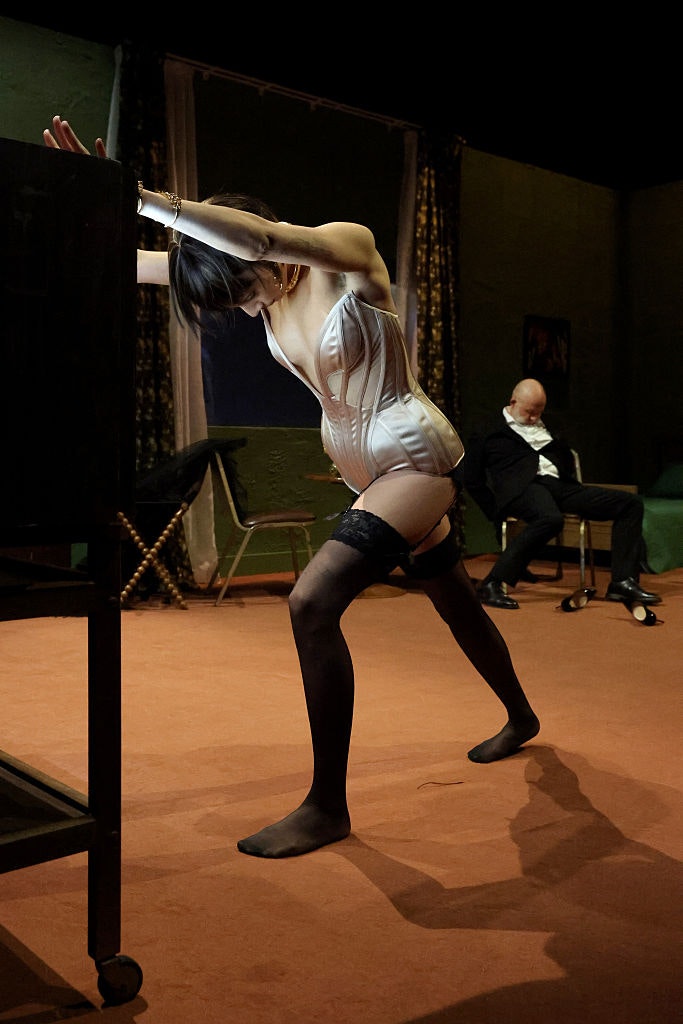
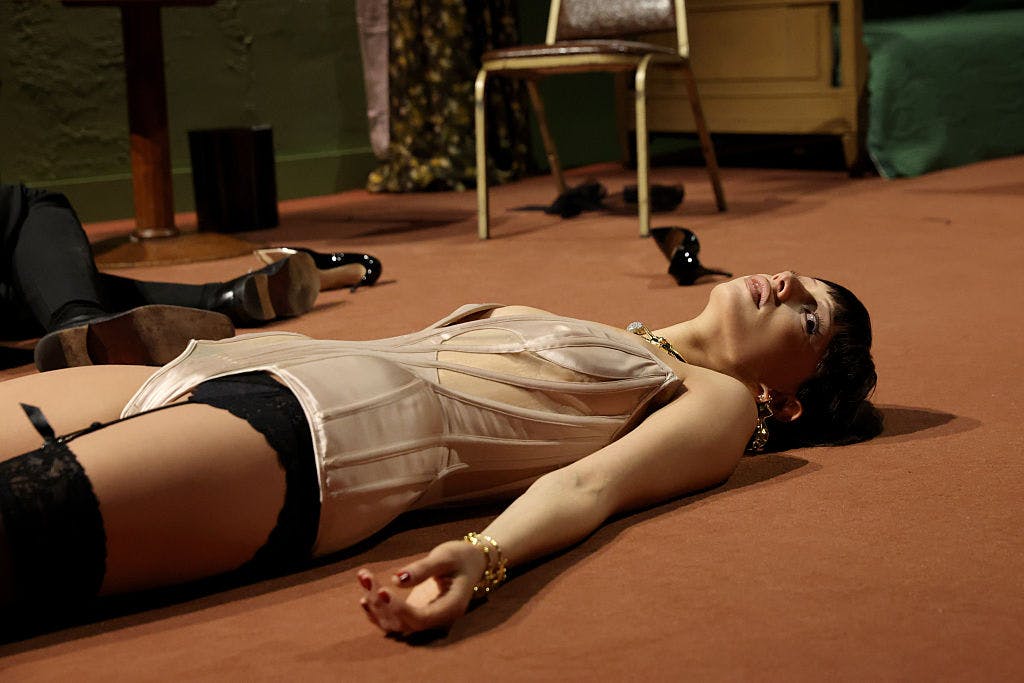
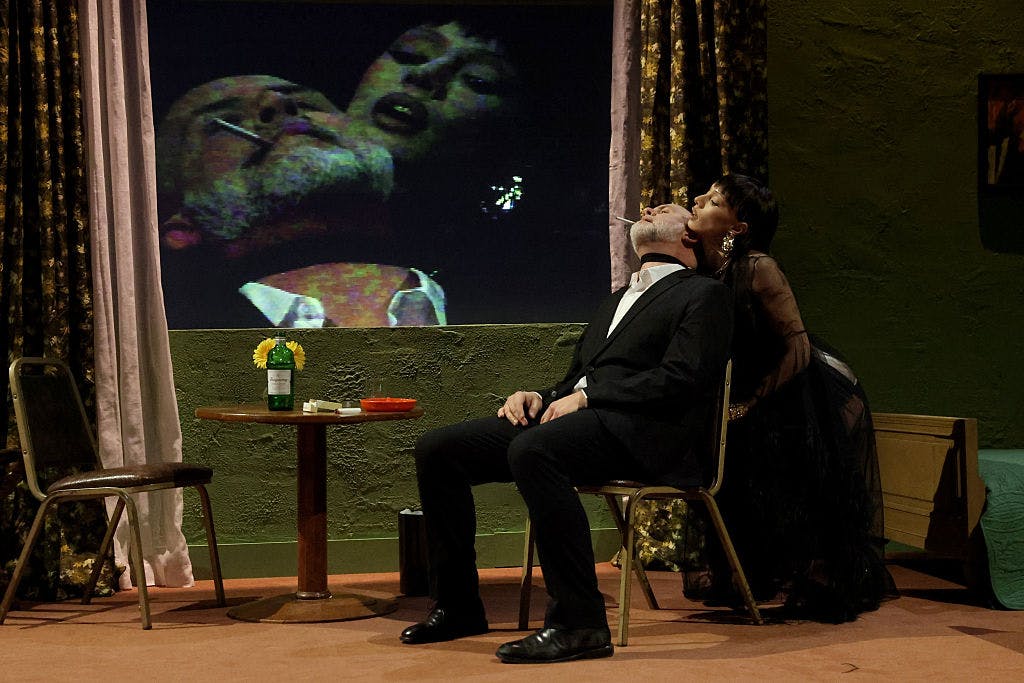
For the label’s Fall/Winter 2026 collection, the same was true. Looking toward the designer’s own body of work—this time, his social media series, „The Sexecutions of Amanda Gates”—the presentation took on the form of a live theatrical performance that wove together themes of rage and injustice. Jazzelle Zanaughtti took to the stage as Gates, and audience members watched as she sought revenge on male repeat offenders of sexual crimes within the world of ’90s Brooklyn.
After presenting his spectacular, striking Fall/Winter 2026 collection, Bittar caught up with L’OFFICIEL to talk artistic inspirations, early memories of New York City, and the styles that have come to define his oeuvre as a designer.
L’OFFICIEL: Your past presentations have also followed story-driven formats, but the Fall/Winter 2026 presentation promises particular theatricality. Why did this collection, or this moment in time, feel right for the concept?
ALEXIS BITTAR: I think when I conceive of each presentation, I come at it from a different angle. This specific time, I wanted it to be more provocative. It’s still holding true to social statements, and the scenes of the performance are acted out with an element of angst that I felt was appropriate.
L’O: The show is set in ‘90s New York. How did your own memories of the city during that iconic era shape the presentation?
AB: The ’90s were specific because they were grittier and had a completely different tone. It was before a massive shift in New York City. There was an underbelly that felt more evident then, and there was an element of danger throughout the city at that time.
L’O: With the Fall/Winter 2026 presentation and collection, are there any themes that you hope viewers walk away considering more deeply?
AB: I think there are two themes. One is why we’re so obsessed with true crime and what it is about our psychology that makes us want to watch it before we go to bed. The other is the idea of women as vigilantes in a patriarchal culture where so much abuse has happened—the fictitious sense that there might be a point where people say, ‘I’ve had enough.’
L’O: As a born-and-raised New Yorker, how do you see the city come alive differently during NYFW? How do you see the unique spirit of the city represented in your designs?
AB: During Fashion Week, like any city—Paris or New York—there’s an influx and a vitality you can feel in the streets. It’s like a circus traveling through. Being a born New Yorker, there’s a freedom to not feel corralled. There’s always a bit of punk energy to everything I do, and my designs are reflective of my childhood and teen years on the streets of New York.
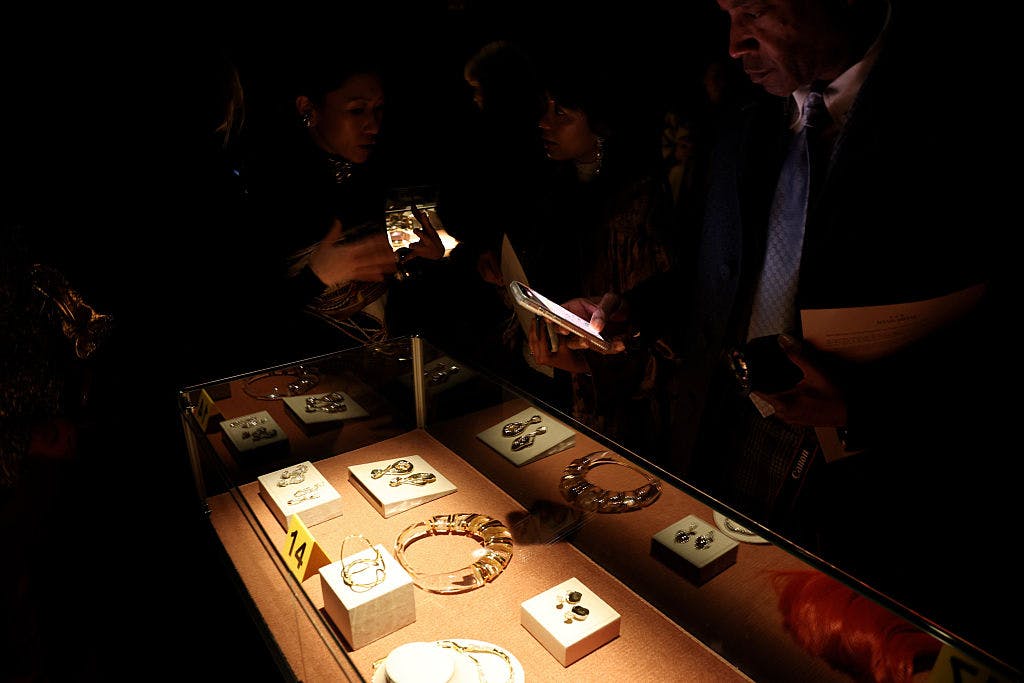
L’O: Across your career, you’ve worked with a wide range of designers. Are there any specific designers whose work has had a lasting influence on how you think about design and craftsmanship, especially as your brand has evolved in recent years?
AB: I don’t know why, but the person who stands out for me is Jeremy Scott. I think we’re very aligned. The way he approaches both theatrics and craftsmanship is something I relate to.
L’O: With your pieces, you lean into a singular, sculptural style. How have your own artistic sensibilities shifted—or stayed the same—over the years?
AB: I think I’ve been pretty consistent. I’ve always fused art and fashion, and that is my brand ethos. I’ve probably scaled up in size more recently, but I’m always following fluidity and form, and having an organic feel is one of the tenets of my designs.
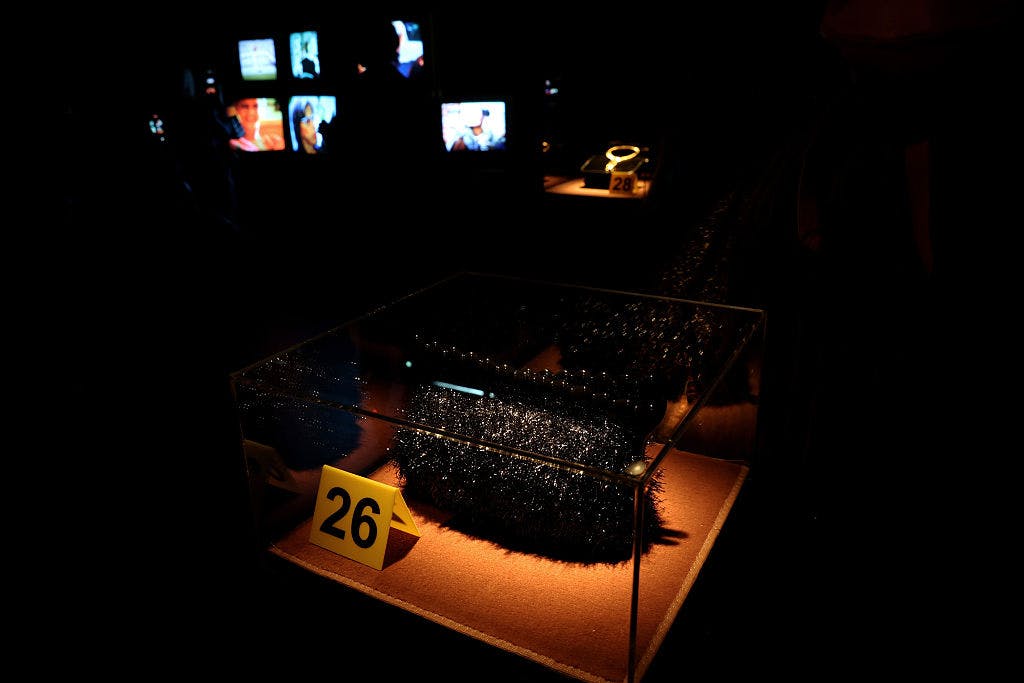
L’O: You began your career by designing costume jewelry. How do you see the same emphasis on self-expression and daring artistry in your work today?
AB: I think fashion is always an expression of one’s individuality. As a designer, I lean into that—someone being an individual who isn’t afraid to step out. That shows strength. I’ve never been someone who designs safely. I respect people who want to be individuals and design pieces that call to them.
L’O: Over your years as a designer, you’ve created many iconic pieces. Do you have a particular favorite motif or design signature?
AB: I don’t have a favorite motif. When you design so many pieces, choosing one feels like saying the rest matter less. You should love your pieces, or you shouldn’t be selling them.