Should federal food assistance pay for a Big Mac? Arizona is one of several states that allow it for qualified individuals, but a group of lawmakers wants to make sure no taxpayer dollars are spent at the drive-thru. And since nearly all of the participating restaurants appear to be purveyors of fast food, doing so […]
3 min.
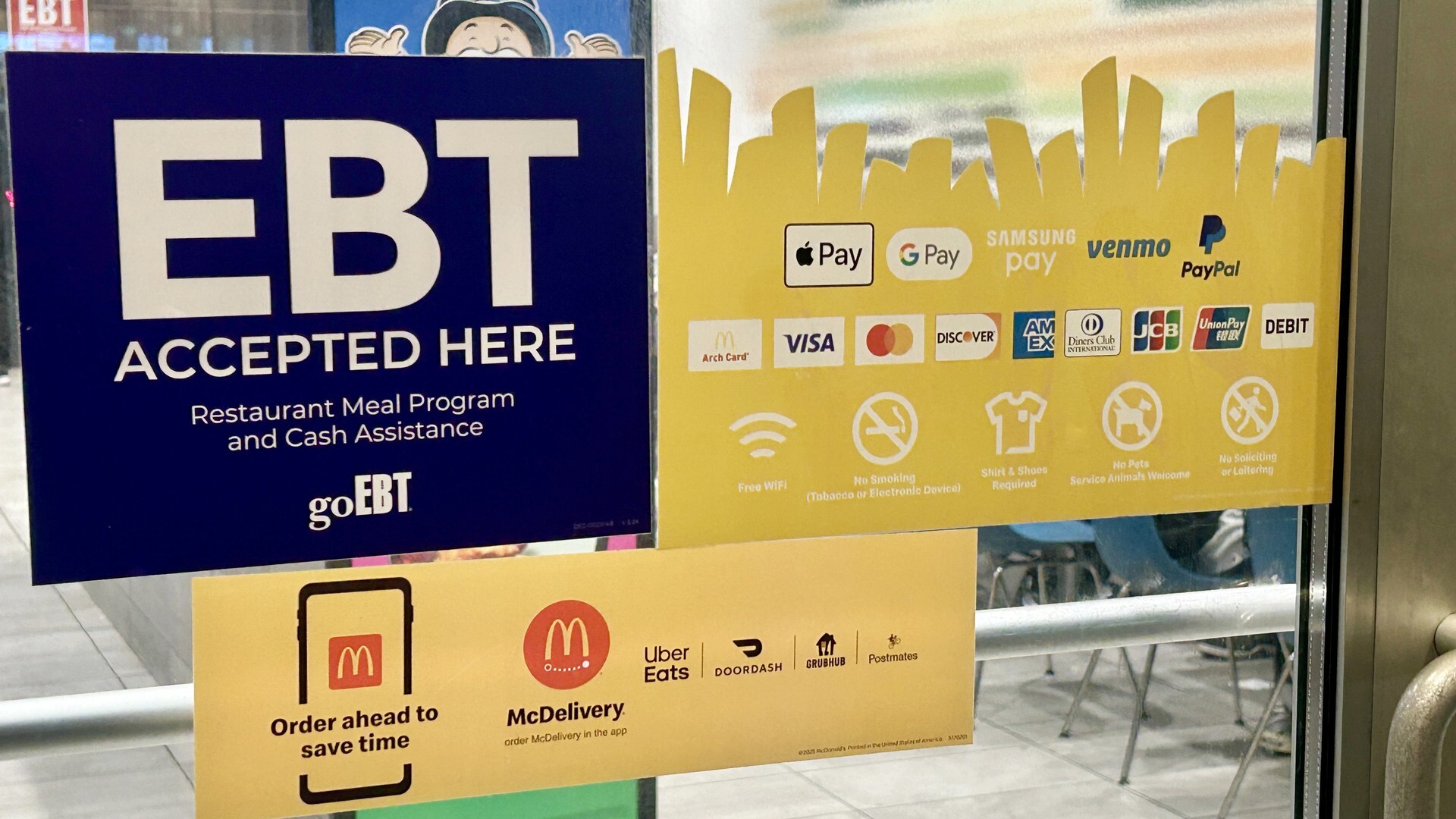
Should federal food assistance pay for a Big Mac? Arizona is one of several states that allow it for qualified individuals, but a group of lawmakers wants to make sure no taxpayer dollars are spent at the drive-thru.
And since nearly all of the participating restaurants appear to be purveyors of fast food, doing so would remove all but a few options across the state.
Under the Restaurant Meals Program, qualified participants can use funds from the Supplemental Nutrition Assistance Program, or SNAP, at restaurants that agree to take the cards. To qualify, a cardholder has to be recognized by the state as either disabled, over 60 years old or homeless or have a spouse with a qualified condition.
House Bill 2107, filed last month by Rep. Teresa Martinez, a Republican, would exclude all fast food restaurants from the program.

Download the SAN app today to stay up-to-date with Unbiased. Straight Facts™.
Point phone camera here
Hundreds of fast food joints across the state participate in the program. A list includes popular fast food staples like McDonald’s, Subway, Burger King and Papa John’s. Fast food restaurants make up the broad majority of participating businesses.
According to Capitol Media Services, about 25,200 households qualify for using their benefits at participating restaurants, a small percentage of the total enrolled.
Martinez told the political newswire that $8 spent on a Big Mac could last one of these SNAP recipients much longer.
“For $8 at a grocery store, a homeless person, anybody, can buy a loaf of bread, a pack of baloney, and some cheese,” Martinez told reporter Howard Fischer.
Likely opponent
The legislation currently has 10 sponsors signed on and could make it to Gov. Katie Hobbs’ desk on a party-line vote. If Hobbs’ views on previous SNAP reforms hold, her support isn’t likely.
Hobbs, a Democrat, vetoed a bill in April 2025 that would have removed sugary drinks like soda from the list of eligible SNAP items.
“I appreciate your intent to improve the health outcomes of Arizonans,” Hobbs said. “Yet, this legislation unnecessarily deprives Supplemental Nutrition Assistance Program (SNAP) participants of their purchasing power and relegates them to a new underclass of grocery shoppers.”
Both Hobbs and Martinez have indicated that they have used SNAP assistance at one time in their lives.
Republicans do not have the numbers to override the Democratic governor’s veto.
Fast food costs
In the years after the COVID-19 pandemic, fast food restaurants under pressure from rising wages, tariffs and cost inflation have been forced to increase the costs of what were historically seen as affordable options.
According to The Takeout, the cost of a McDonald’s Big Mac meal (the sandwich with medium fries and a standard soft drink, for the health nuts who would never) surpassed $10 in 2025. The fast food giant said the cost in 2024 was $9.29. That would still represent a 27% price increase from 2019.
According to the U.S. Department of Agriculture, the price index on all food-away-from-home (restaurant and other food service purchases) increased 0.3% from July 2025 to August 2025 and was 3.9% higher than it was in August 2024.
Rising beef prices have pushed staples like a McDonald’s quarter-pounder well past what it cost before the pandemic.
According to the latest USDA cattle inventory in January 2024, the U. S. had about 87.2 million head of cattle, a 2% drop from the year before and the lowest level since the early 1950s. The calf crop also fell 2% to 33.6 million, indicating a smaller generation of cattle coming into the market.