⏱️ Čas čítania: 3 min (448 slov) The flood of untaxed and often unsafe goods prompted the European Commission to propose a temporary solution for the packages under €150 a month ago. This „de minimis“ rule allows exporters like Shein and Temu to send products directly to consumers, often bypassing scrutiny. The EU has already […]
Menej ako 1 min.
min.
⏱️ Čas čítania: 3 min (448 slov)
The flood of untaxed and often unsafe goods prompted the European Commission to propose a temporary solution for the packages under €150 a month ago. This „de minimis“ rule allows exporters like Shein and Temu to send products directly to consumers, often bypassing scrutiny.
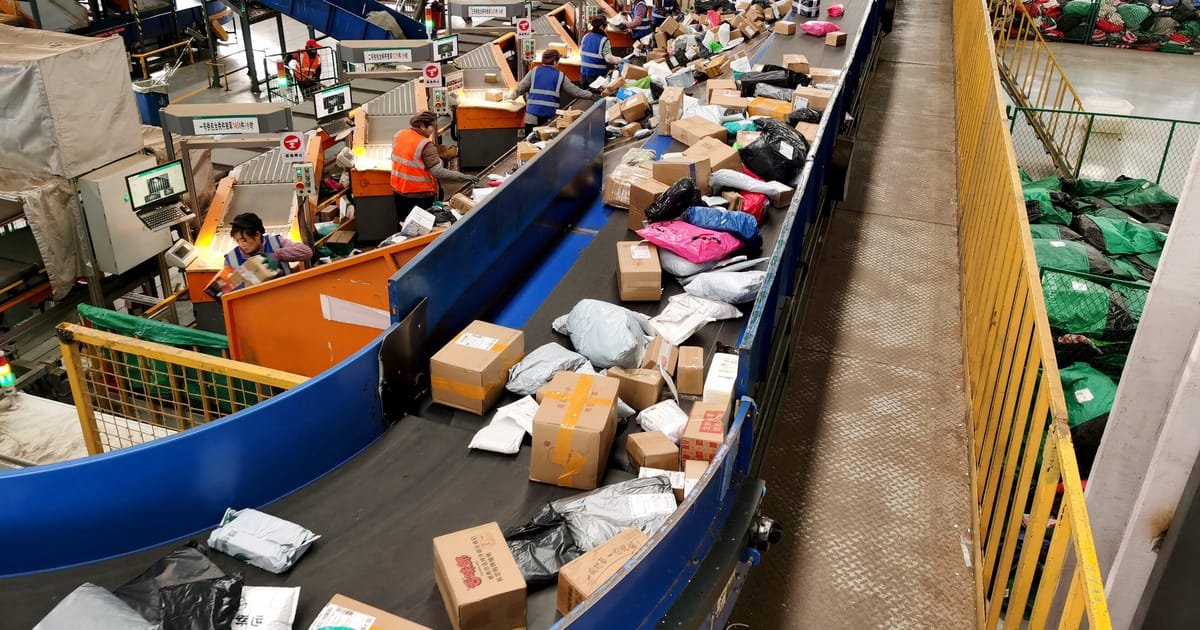
The EU has already received more packages in the first nine months of 2025 than in the entire previous year, when the counter hit 4.6 billion.
French Finance Minister Roland Lescure called it “a literal invasion of parcels in Europe last year,” which would have hit “7, 8, 9 billion in the coming years if nothing was done.”
An EU official told POLITICO earlier this month that at some airports, up to 80 percent of such packages arriving don’t comply with EU safety rules. This creates a huge workload for customs officials, a growing pile of garbage, and health risks from unsafe toys and kitchen items.
EU countries have already agreed to formally abolish the de-minimis loophole, but taxing all items based on their actual value and product type will require more data exchange. That will only be possible once an ambitious reform of the bloc’s Customs Union, currently under negotiation, is completed by 2028. The €3 flat tax is the temporary solution to cover the period until then.
The rising popularity of web shops like Shein and Temu, which both operate out of China is fueling this flood. France suspended access to Shein’s online platform this month.
This €3 EU-wide tax will be distinct from the so-called handling fee that France has proposed as a part of its national budget to relieve the costs on customs for dealing with the same flood of packages.
Klara Durand and Camille Gijs contributed to this report.