⏱️ Čas čítania: 5 min (852 slov) Spreading the island’s reggaeton rhythms and beats worldwide, Bad Bunny has managed to make history with his sensational 30-show residency: No Me Quiero Ir De Aqui. Puerto Rico, his birthplace, was dancing and singing every weekend during the two-month spectacle that kicked off on July 11 and concluded last […]

Menej ako 1 min. min.
⏱️ Čas čítania: 5 min (852 slov)
Spreading the island’s reggaeton rhythms and beats worldwide, Bad Bunny has managed to make history with his sensational 30-show residency: No Me Quiero Ir De Aqui. Puerto Rico, his birthplace, was dancing and singing every weekend during the two-month spectacle that kicked off on July 11 and concluded last night—with a surprise final show revealed only a week earlier. While the music and undeniable Latin anthems drive each performance, the residency dives deeper into the complex relationship that Puerto Ricans have with their homeland.
Bad Bunny’s latest album, Debí Tirar Más Fotos, began setting the stage for a powerful blend of pride and nostalgia. Its now infamous cover depicts two plastic chairs—symbols of cherished time with loved ones and the preservation of cultural heritage—whose emptiness speaks to the loss of the Puerto Rican experience felt both by those who have left the island and by the natives who remain. Within this framework, inviting people from around the world to celebrate his own traditions came naturally, fueled by his undeniable talent and contagious passion. Not only did the artist promote Puerto Rican pride and showcased its culture, but also gave the island’s economy a remarkable boost, surpassing all expectations.
While his lyrics pay homage to Puerto Rico, the representation didn’t stop there. Bad Bunny wanted the world to feel, hear, and see the nation’s pride. By incorporating native designers, showcasing cultural representation through his fashion, and promoting local brands, the residency became an unquestionable ode to Puerto Rico, celebrating all its facets—including fashion.
We break down the Puerto Rican fashion influences showcased throughout Bad Bunny’s unforgettable residency.
Guayaberas
In his No Me Quiero Ir De Aqui residency, Bad Bunny wore the traditional Puerto Rican shirt, the guayabera, typically made from a light linen material to beat the island heat. With the goal of showcasing local designers, Bad Bunny wore one of Yayi Perez’s custom guayaberas. In the personalized design, the Puerto Rican artist depicted the Cordillera, which is the central mountain range of the island. After Bad Bunny was seen wearing Perez’s customary wear, her online sales increased by 68%.
The Jíbaro Look
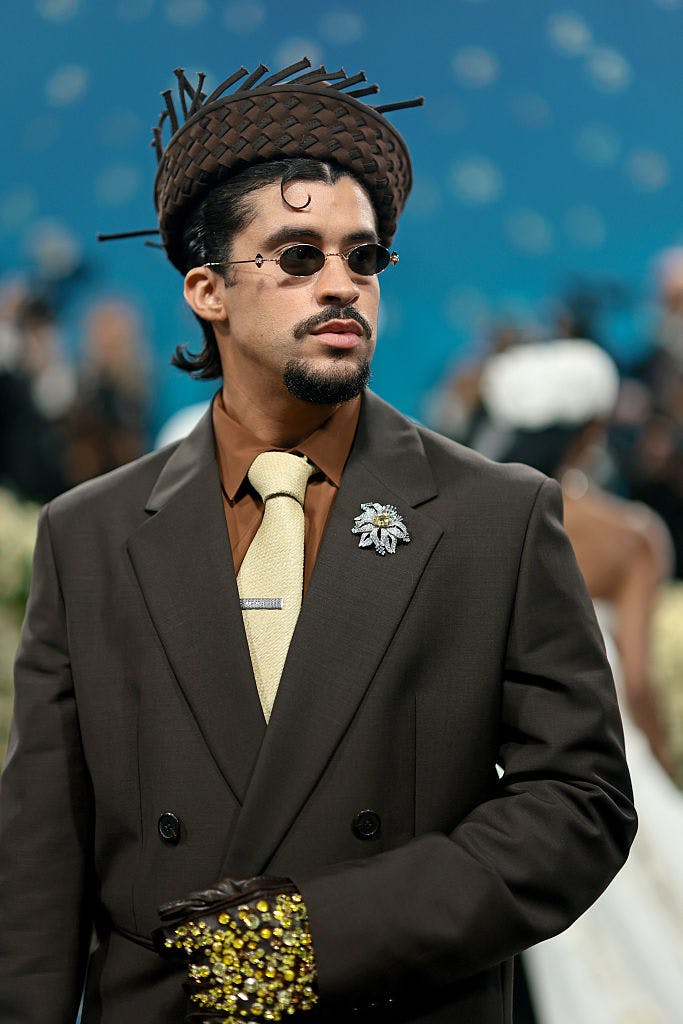
Along with the traditional guayaberas comes the jíbaro look. One of the most memorable fashion moments of the tour, Bad Bunny once again embraced Puerto Rican culture by paying homage to the historical figure of the jíbaro—a typical mountain farmer of the land, seen as a symbol of humility and national pride. Composed of guayaberas, loose pants, and the infamous pava hat, a look that was once mocked was now being embraced globally by Bad Bunny himself. The same approach was on full display at the 2025 Met Gala last May, where Bad Bunny paired a pava hat with his Prada outfit during fashion’s biggest night of the year, bringing Puerto Rico’s culture to the global spotlight.
Brega Style
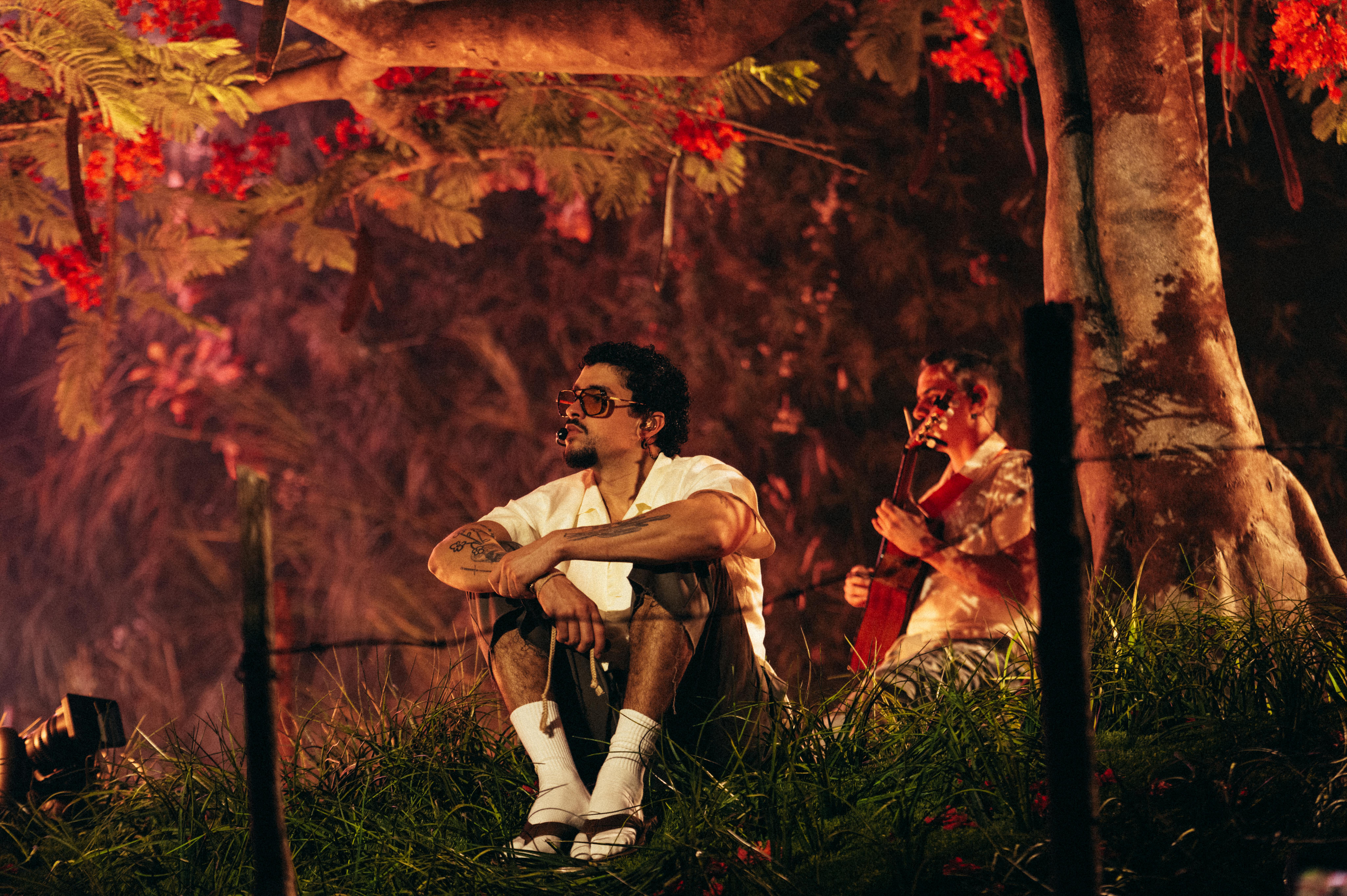
The Brega style derives from the Puerto Rican term „la brega,“ meaning the struggle of the working class and a drive for resilience and creativity during tough times. To channel this spirit of hustle, Bad Bunny wears socks with sandals on a portion of the show, typical of this local aesthetic. While the pairing might seem like a mere style choice at first glance, this look carried a deeper meaning, reflecting a cultural statement and acknowledging life’s persistent challenges. Embracing this spirit, Bad Bunny keeps showing that he will always identify with the people of Puerto Rico, regardless of his world fame.
On-Stage Wardrobe
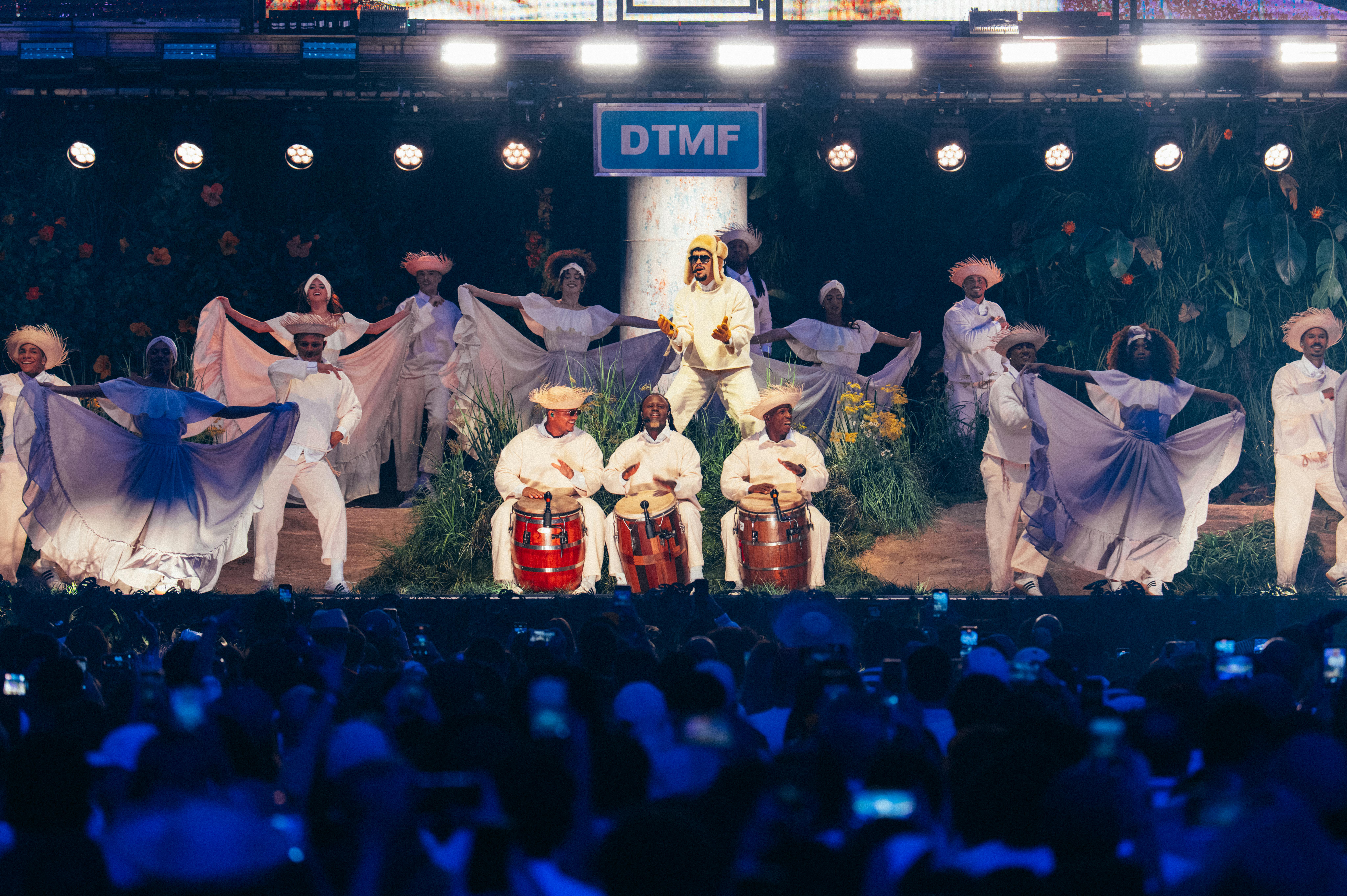
But Bad Bunny wasn’t the only one showcasing Puerto Rico’s fashion throughout the 30-show residency—all dancers and band members that participated in the spectacle were meticulously styled to reflect Puerto Rican traditions and the island’s rich cultural tapestry. Performing against a highly realistic mountain-inspired backdrop that represented the Cordillera Central of Puerto Rico, their outfits were more than just costumes, they were a medium for storytelling and cultural expression that inmersed the viewers in the heart of the island.
Guest Performers Showcasing Local Design
Apart from showcasing different aspects of the Puerto Rican culture, a variety of local designers were featured every weekend at Bad Bunny’s residency through his guest performers. Chuwi, one of the many guest bands invited on stage, wore several Puerto Rican brands like Herman Mandal, Edwin Reyes, Santos by Monica, which incorporated traditional native elements to their looks. Similarly, Puerto Rican singer RaiNao wore Ecliptca Isla’s Taíno reversible skirt, further showcasing the island’s rich fashion heritage.
Bad Bunny x Adidas Limited Drop
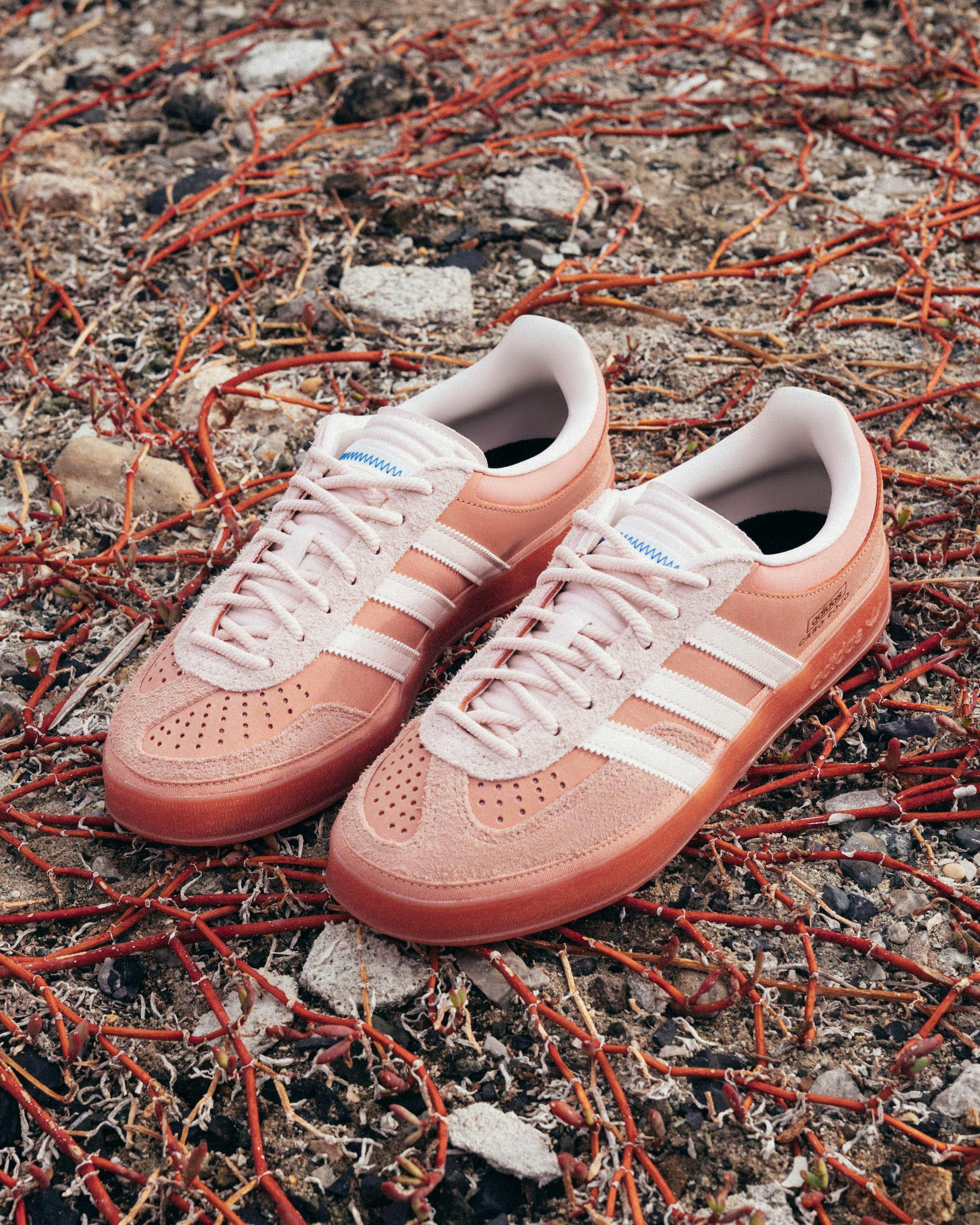
As a gift to his fans, Bad Bunny releassed an exclusive shoe collaboration with Adidas: the Gazelle Cabo Rojo. Sold only at the show venue, a limited fifty pairs of shoes were available to purchase each night of his residency, giving fans the chance to purchase a true collector’s item straight from his hometown. Part of the Gazelle Series drop, the collection celebrated Puerto Rico through distinctive colorways and designs.