⏱️ Čas čítania: 2 min (387 slov) „Our proposal is legally robust and fully in line with the EU and public international law,“ he said. Belgium has opposed the use of sovereign Russian assets over concerns that the country may eventually be required to pay the money back to Moscow on its own. Some €185 […]
Menej ako 1 min.
min.
⏱️ Čas čítania: 2 min (387 slov)
„Our proposal is legally robust and fully in line with the EU and public international law,“ he said.
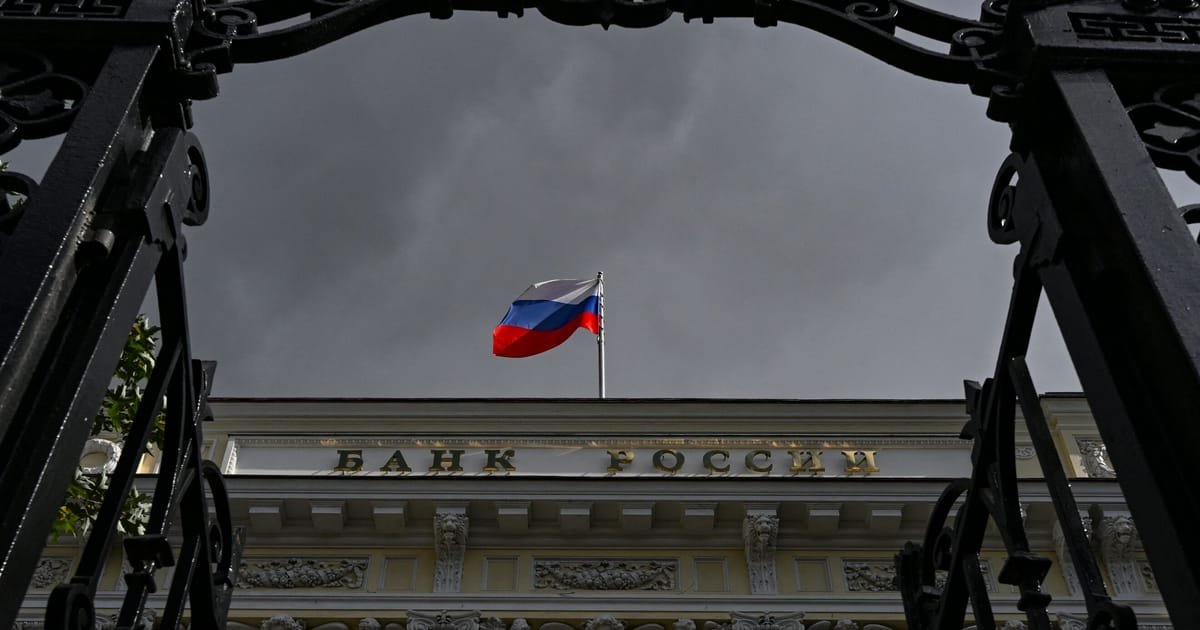
Belgium has opposed the use of sovereign Russian assets over concerns that the country may eventually be required to pay the money back to Moscow on its own. Some €185 billion in frozen Russian assets are under the stewardship of Euroclear, the Brussels-based financial depository, while another €25 billion is scattered across the EU in private bank accounts.
Euroclear declined to comment.
With the future of the prospective loan still hanging in the air, EU ambassadors on Thursday handed emergency powers to the European Commission to keep Russian state assets permanently frozen. Such a solution would mean the assets remain blocked until the Kremlin pays post-war reparations to Ukraine, significantly reducing the possibility that pro-Russian countries like Hungary or Slovakia would hand back the frozen funds to Russia.
While Russian courts have little power to force the handover of Euroclear’s euro or dollar assets held in Belgium, they do have the power to take retaliatory action against Euroclear balances held in Russian financial institutions.
However, in 2024 the European Commission introduced a legal mechanism to compensate Euroclear for losses incurred in Russia due to its compliance with Western sanctions — effectively neutralizing the economic effects of Russia’s retaliation.
Giovanna Faggionato contributed to this story.