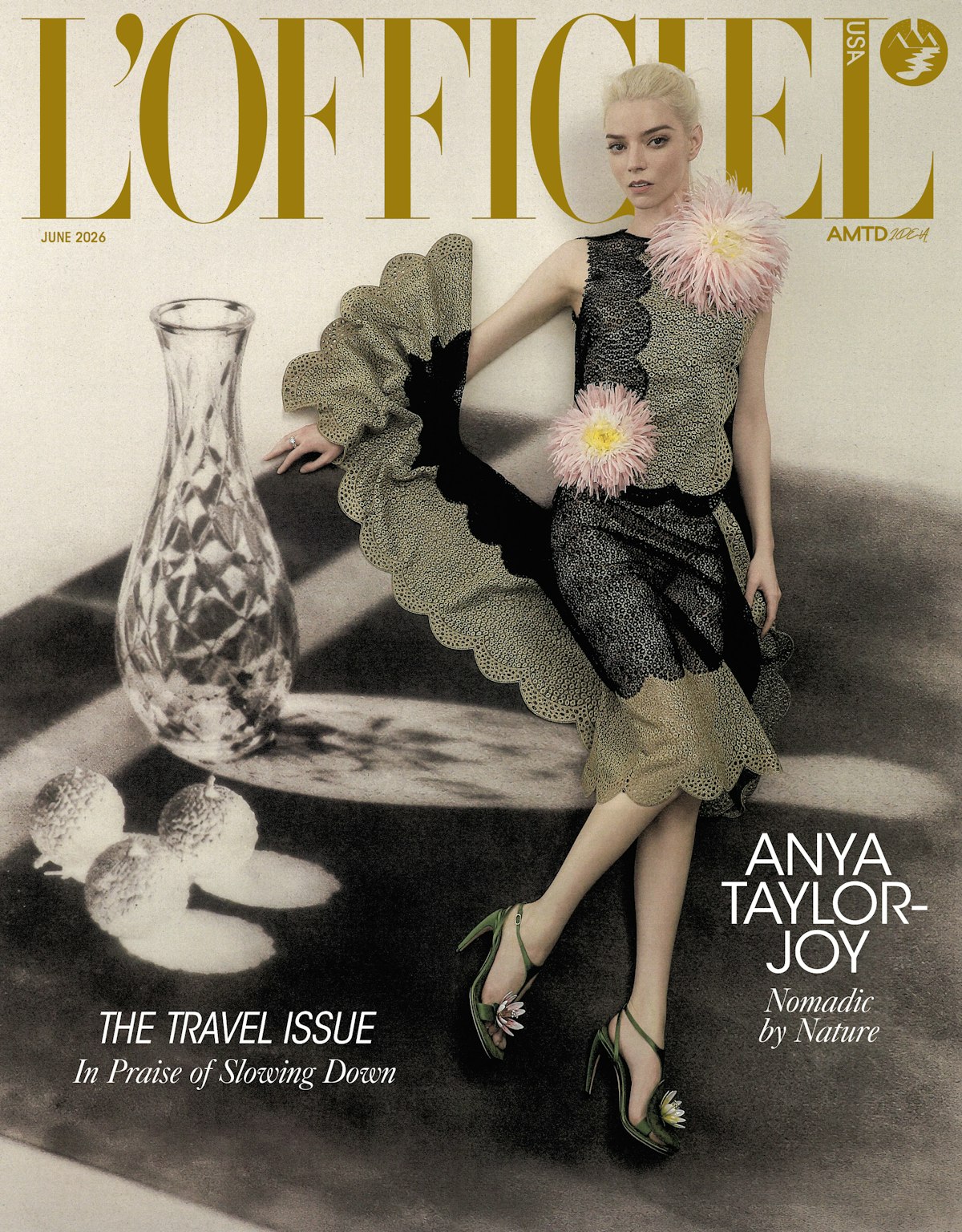
PHOTOGRAPHY Szilveszter Makó STYLED BY Lisa Jarvis Anya Taylor-Joy is always itching to take a road trip. “I started doing them maybe like two years ago and now I’m fully obsessed,” she says over the phone. “I love it. I’ll do it any time off that I have.” It’s a Sunday evening in mid-April, and […]
Menej ako 1 min.
min.
PHOTOGRAPHY Szilveszter Makó
STYLED BY Lisa Jarvis
Anya Taylor-Joy is always itching to take a road trip. “I started doing them maybe like two years ago and now I’m fully obsessed,” she says over the phone. “I love it. I’ll do it any time off that I have.”
It’s a Sunday evening in mid-April, and the 30-year-old British-Argentine actor has just returned from one such road trip to Coachella, the annual music festival held in the desert about two hours east of Los Angeles. The highlights? A set by singer-songwriter Sombr—with whom Taylor-Joy was photographed hanging out backstage, alongside Korean pop star Rosé—and Ethel Cain’s performance, which she calls “a really big deal for me.”
And then, of course, The Strokes. “I never thought I’d get the chance to see them,” says Taylor-Joy, explaining that she and her husband, musician and actor Malcolm McRae, 32, play the indie rock band’s albums on repeat at home. “Hence why I have absolutely zero voice. I was screaming way too loudly at [lead singer] Julian Casablancas.”
Post-concert rasp aside, Taylor-Joy’s voice is actually deep and somewhat gravelly. Her subtle British accent is a result of a London upbringing, after spending the first six years of her life in Buenos Aires. Moving across the globe with her family at such a young age initially made Taylor-Joy feel alienated from her peers, which “was difficult for little me,” she recalls. “But now I look at it with so much love, because I just think it perfectly set me up to live this kind of transient life.”
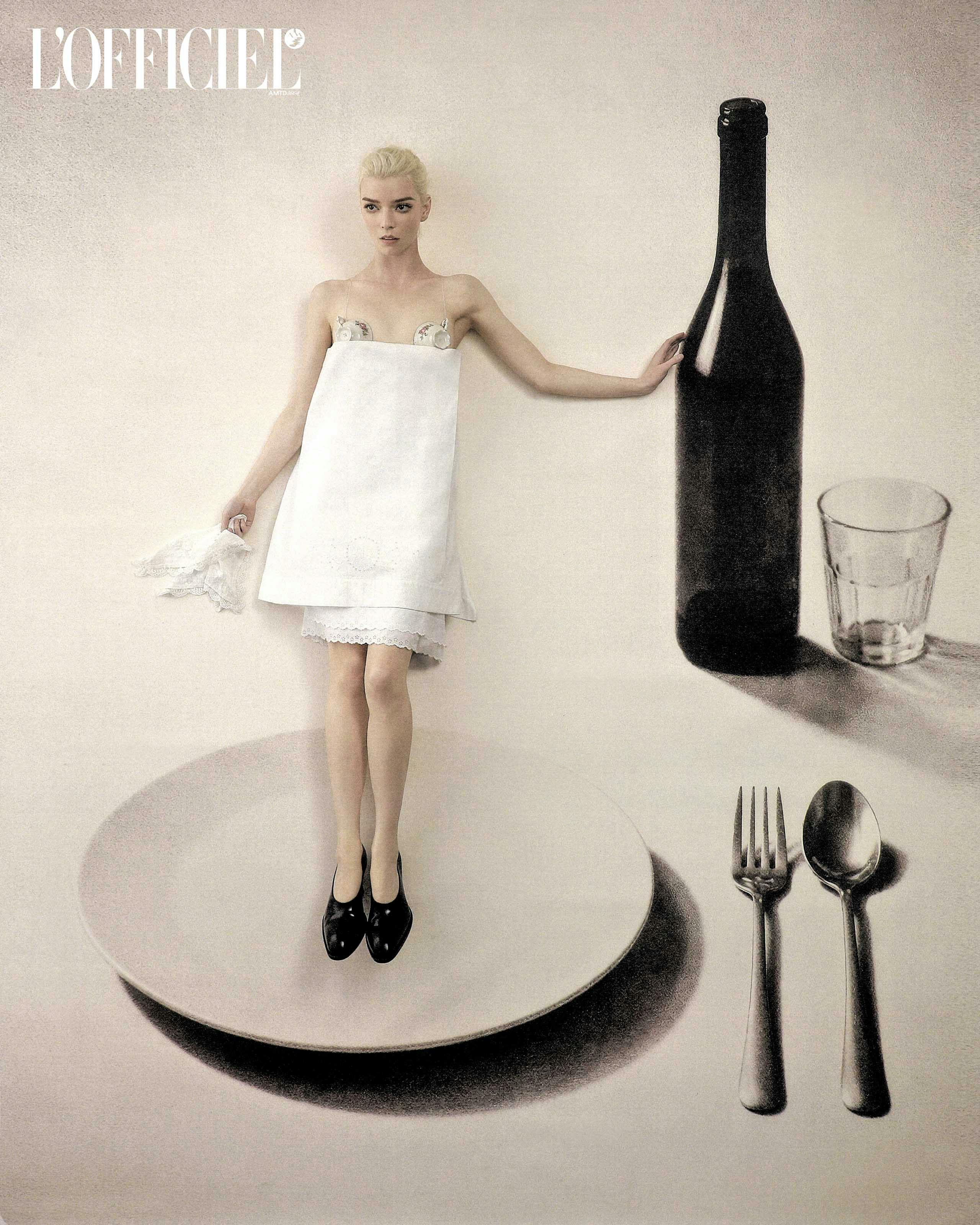
She’s still reluctant to call any one city her home, though she mostly splits her time between London and Los Angeles, where she lives with McRae and their pets: Yzma, a Doberman they rescued from a kill shelter during last year’s wildfires (her name is an homage to an animated character in The Emperor’s New Groove, voiced by Eartha Kitt, with whom Taylor-Joy is “obsessed”); and Kitsune, an Australian Ragdoll cat that she picked up in “the wasteland” while filming Furiosa: A Mad Max Saga and who now travels the world alongside her.
“I’ve always been nomadic by nature,” says Taylor-Joy. “Now I’ve just fully embraced it as part of who I am. If I have a couple of days off, I’m always like, Ooh, what’s within driving distance? If it’s six hours or less, I’m like, Let’s go. Why not?”
“I’ve always been nomadic by nature. Now I’ve just fully embraced it as part of who I am.”
Time off is hard to come by for Taylor-Joy, who has been acting in a near-steady stream of movies and television shows for more than a decade, since her breakout role in the 2015 horror film The Witch. She stars next in this summer’s Apple TV+ series Lucky, which finds her titular character on the run from both the FBI and a terrifying mob boss following a massive heist gone wrong. (“By the way, how fabulous is Annette Bening?” she says of her on-screen nemesis.) Lucky, not unlike Taylor-Joy, grew up moving from place to place—her father, played by Timothy Olyphant, is a con man—but the character’s experience of transience is entirely different from Taylor-Joy’s. She finds the contrast invigorating.
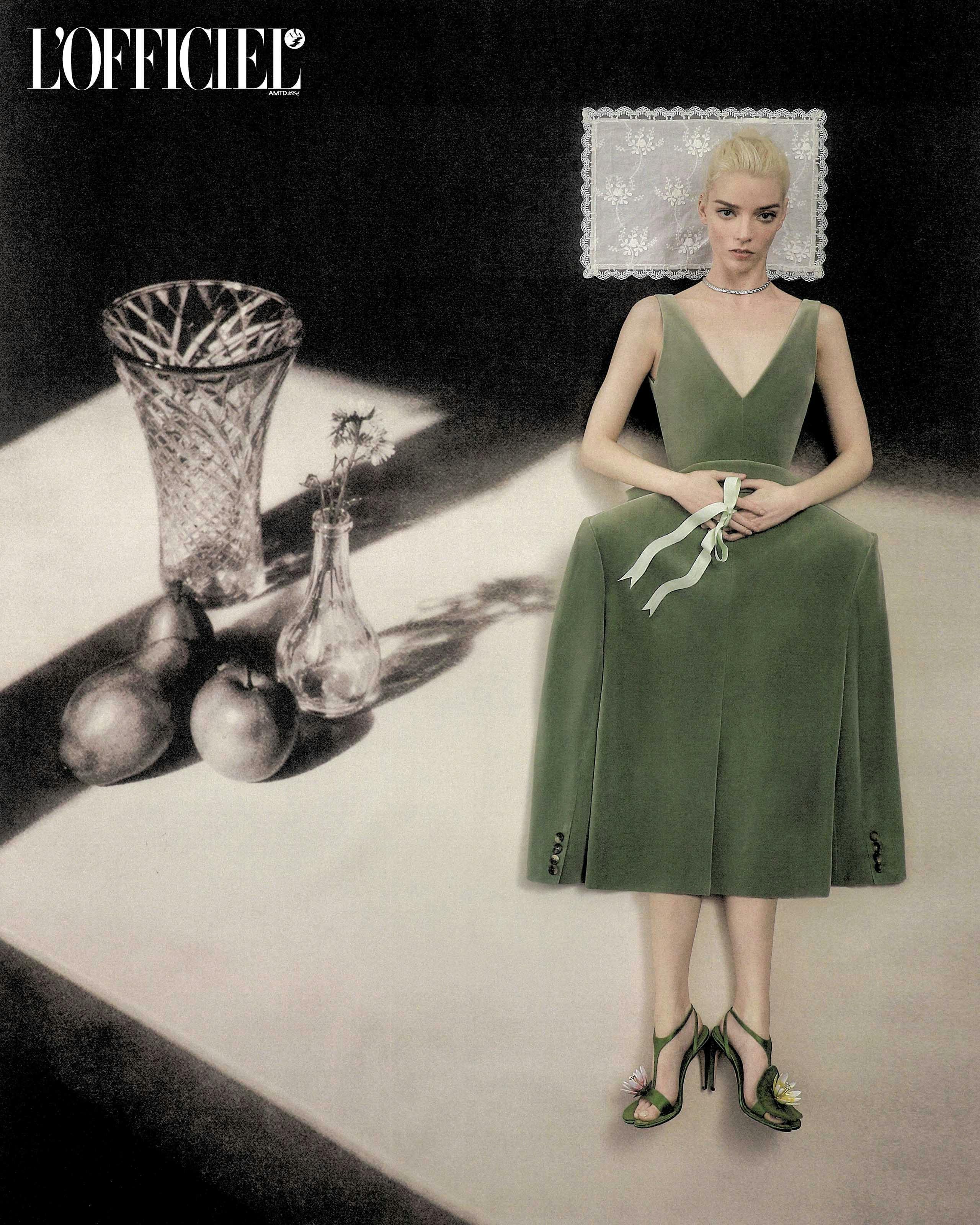
“I was so attracted to playing somebody who was just so desperate to stay still and put down roots and form some kind of attachment where she didn’t feel like the ground was going to fall away from underneath her,” says Taylor-Joy, who credits her own sense of stability to her close family ties. “I think there’s been such a glorification of the hustle and the con, where we see it as very slick and jazzy and sexy. I was intrigued by the idea of, What is this actually like if you can’t form any attachments to anybody? If you can’t even give people your real name, how does that feel?”
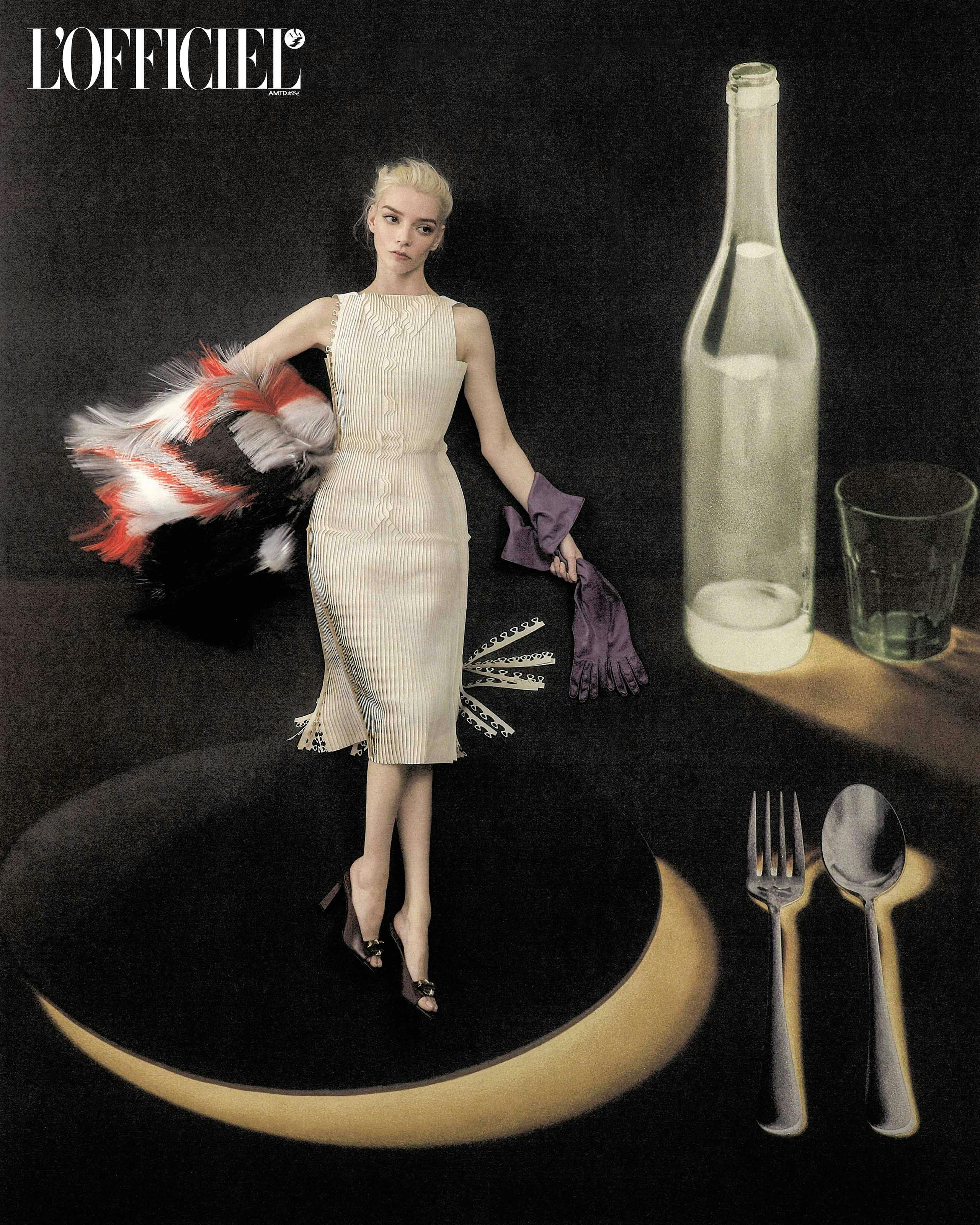
Production for Lucky kicked off in Las Vegas, where Taylor-Joy spent many of the 12-hour night shoots sprinting through the casino floor of Caesars Palace in assorted disguises. “I have a real soft spot for Caesars Palace now—we’ve been through a lot together,” she laughs. “And we pretty much kept up that pace the whole way through filming. I feel like I have literally run through most of California at this point.”
Premiering on July 15, much of the crime thriller unfolds in the unforgiving desert, where Lucky escapes kidnappings and beatings, only to face a rattlesnake and nearly die of thirst. It’s an extreme landscape with which Taylor-Joy has become surprisingly familiar, having also found herself in the desert while filming Furiosa and Dune: Part Two and Part Three, the latter of which is set for release in December.
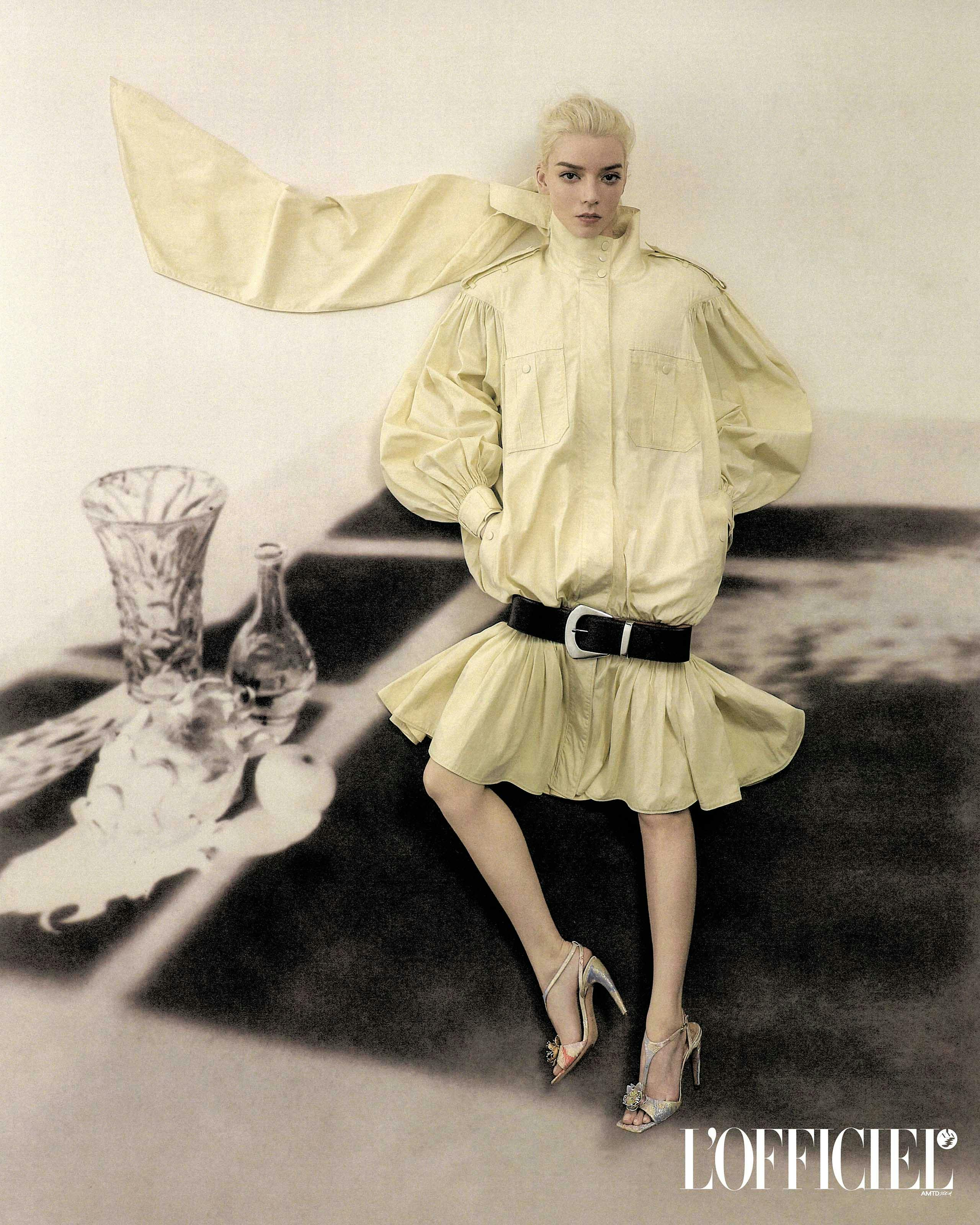
“It always makes me laugh, because I have no idea what it is about my hair, my skin tone, or the largeness of my eyes that makes anyone think I’m suited to be a desert creature—but people love to put me there, and I do feel a real affinity for it,” says Taylor-Joy. “[Dune director] Denis [Villeneuve] and I talked about this a lot: There’s a sacredness to the desert. There’s something quite extraordinary about a place that is so seemingly desolate and barren, and there’s such a starkness to putting people there.” Her favorite thing about filming in the desert? “Probably sunrise or sunset, because you see the most extraordinary colors—and you just feel like you’re the only person in the world.”
I think there’s been such a glorification of the hustle and the con, where we see it as very slick and jazzy and sexy.
The six-month-long Lucky shoot, which began not long after the devastation of the Eaton and Palisades fires, proved to be cathartic. “There had been a conversation about not shooting in LA, but one of the things I’m most proud of is that we did keep [production] in LA and with an LA crew,” says Taylor-Joy, who also served as an executive producer on the series, along with Reese Witherspoon, whose production company Hello Sunshine adapted it from Marissa Stapley’s novel of the same name. “I think everyone was just so happy to be with each other and working and doing something that felt constructive. I was with people who had just lost their entire homes, you know?” Taylor-Joy was also grappling with a personal loss: her dog, Bartok, died the day filming began. “We were all kind of experiencing something, and rather than sitting in it and just being in pain, we were working together and doing something.”
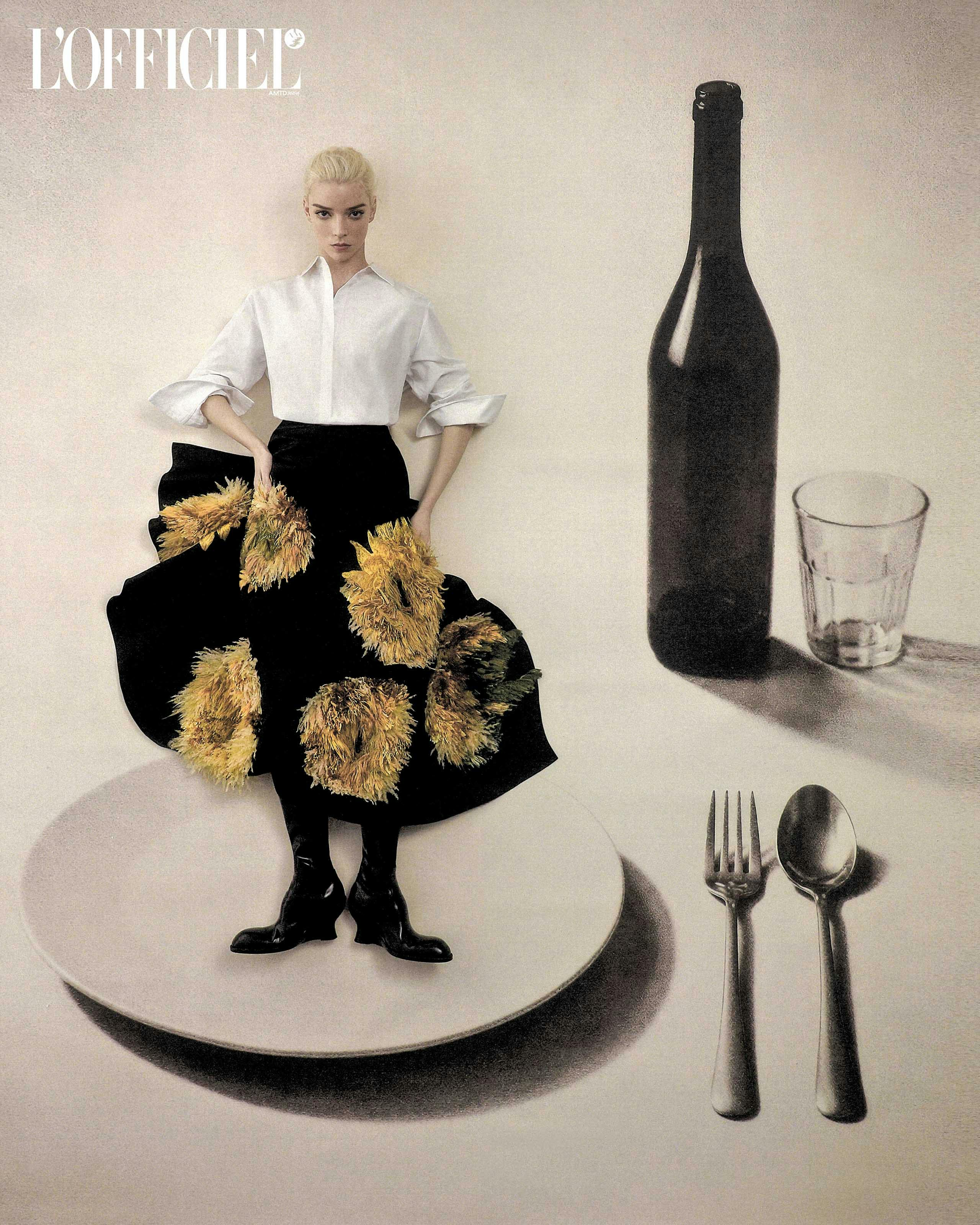
For Taylor-Joy, producing felt like a logical next step in expanding her craft. “The beauty of being a producer is that when a problem arises, you actually have the title where you’re allowed to help out,” she says. “If you don’t have the title where you can help out, you kind of have to sit back and let the adults do the talking.”
Having landed her first big acting role when she was still a teenager, Taylor-Joy knows what it’s like to sit back and soak it all in. She dropped out of school at 16 and was cast soon after as the lead in The Witch, a low-budget independent film set in the 17th century. It did not exactly seem like it would be a blockbuster at the time: It featured a Satanic goat and was helmed by a then-unknown director, Robert Eggers. But the gamble paid off: After The Witch premiered at Sundance in January 2015, it was acquired by A24 and became an unlikely box-office success. It is widely considered one of the most iconic horror movies of the 2010s. (Taylor-Joy appeared to nod to the movie by celebrating her recent birthday with a goat-shaped cake.) The Witch also offered Taylor-Joy a crash course in acting, which she says she never formally studied, under veteran British actors Kate Dickie and Ralph Ineson.
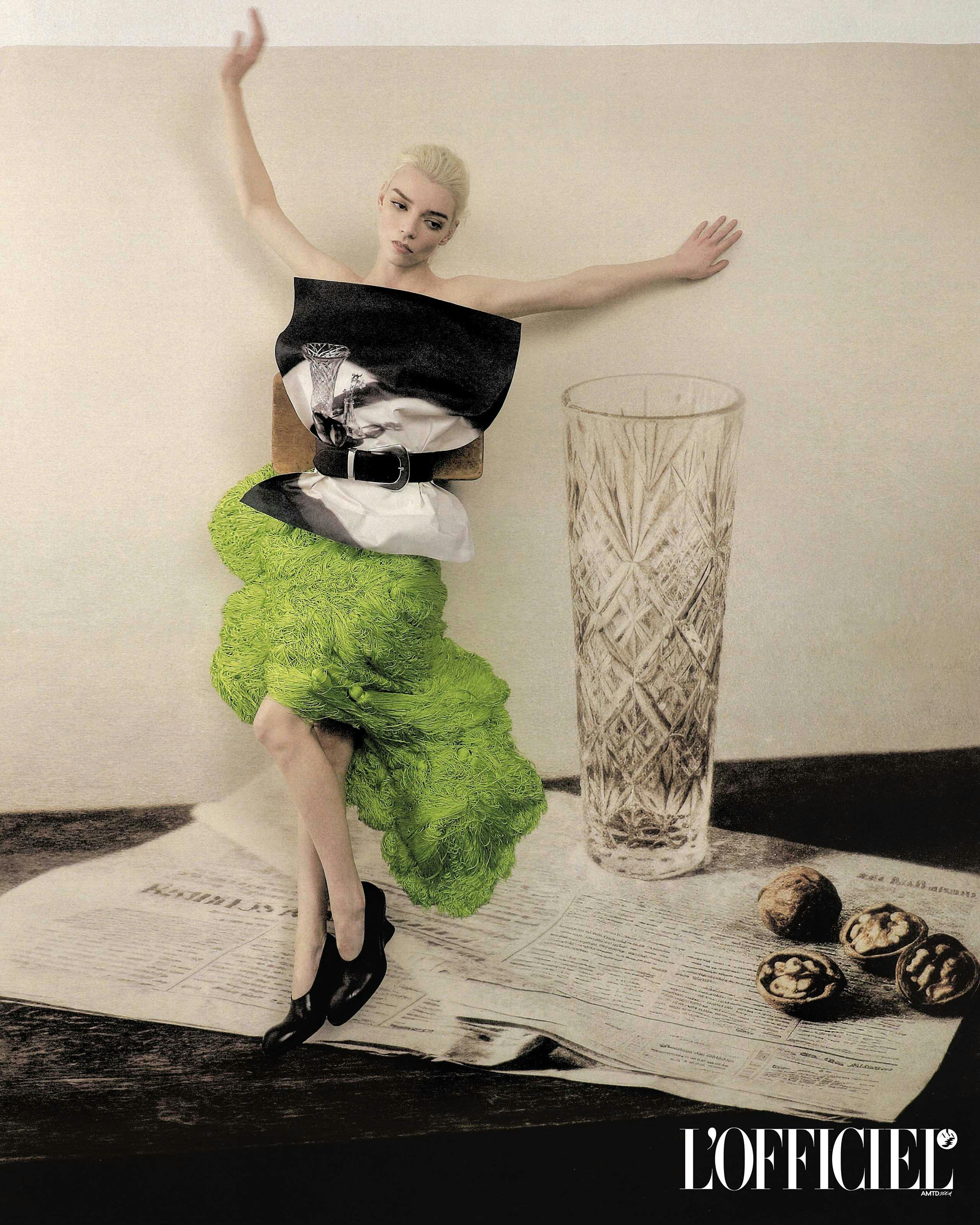
“We were sitting in this motel in the middle of nowhere in Canada, and we’d all have dinner together and afterwards they would say, Okay, I’m gonna go off and do my work now. And I was too embarrassed to ask them what they were doing,” Taylor-Joy remembers. Eventually, she got up the courage to ask about her co-stars’ routines, which she discovered sometimes involved practicing their lines in front of a mirror. Taylor-Joy says she tried it out, but felt that rehearsing made her characters less real to her.
“I have to just get to know them, and that always feels a tiny bit scary in an exhilarating way, because a lot of the time I show up and I’m like, Well, let’s just hope that this works… I’m waiting for something to strike me and to tell me to move, and I’m not going to move unless it tells me to,” she says. “So that always feels a tiny bit like Russian roulette, but thus far I’ve learned to trust that process. And in the time of working, I’ve met so many interesting people who have different methods where now I’m like, Huh. I wonder if, just to shake things up a little bit, maybe I should try an acting class or something. Because I do love the craft.”
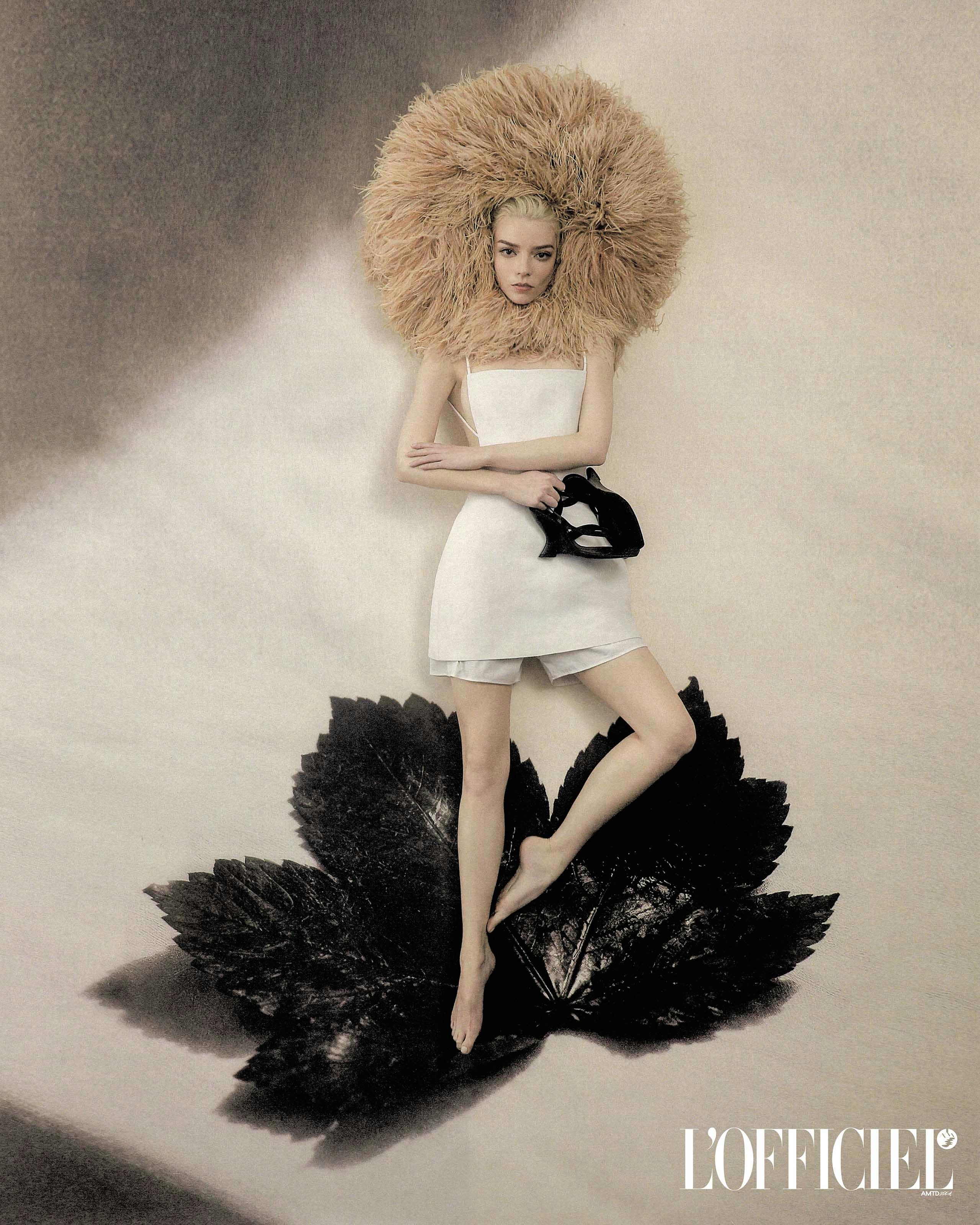
Taylor-Joy compares acting to a form of meditation, almost like an out-of-body transcendence. For her, inhabiting a new character is “like I get a roommate for a time, if that doesn’t make me sound too crazy,” she says, laughing. “But you spend 14 to 16 hours a day being them, thinking the way that they think, and making the choices that they make—and there can’t be any judgment. It just can’t exist. So you have to just fully commit to whatever it is that they’re doing.”
In 2016, Taylor-Joy followed up her breakout role in The Witch with her portrayal of a kidnapped teenager in M. Night Shyamalan’s psychological thriller Split. The next year, she returned to school—at least, the on-screen version of it—for another Sundance standout: Thoroughbreds, a dark comedy that saw her as a murderous academic. (Her 27-year-old co-star, Anton Yelchin, died unexpectedly before the movie premiered; Taylor-Joy was one of dozens of colleagues to remember Yelchin in Love, Antosha, a 2019 documentary film about his life.)
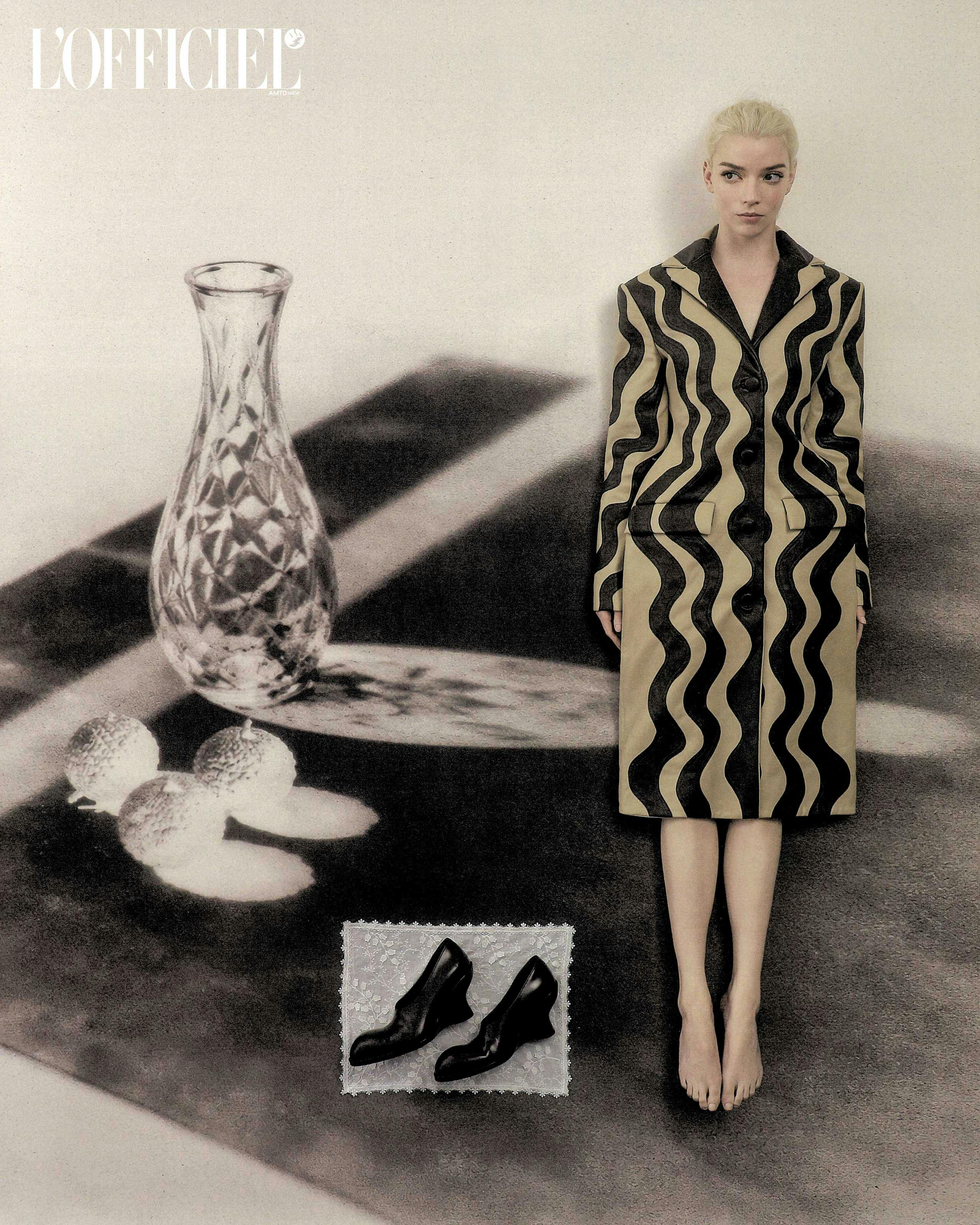
But it was Taylor-Joy’s starring role in a TV series, The Queen’s Gambit, a period drama about a troubled chess prodigy, that really made her a household name. The Netflix show began streaming in October 2020, at a time when many viewers were stuck at home under COVID lockdown, and quickly became the most-watched show on the platform. It remains one of the streamer’s most popular scripted limited series of all time, having raked in 62 million viewers around the world in its first month alone. The Queen’s Gambit led to Taylor-Joy’s first Emmy nomination, followed by wins at the Golden Globes and SAG Awards. It also helped launch her status as a fashion darling: Within a year of the show’s debut, she was named a global ambassador for both Dior and Tiffany & Co. She’s rarely slowed down since.
“I never feel as much myself as when I’m in motion, so I just sort of keep it going.”
“It’s quite funny because I’m most—I don’t want to use the word stable—but I’m most sedentary when I’m actually working. If I have a call sheet and somewhere to kind of clock in every single day, that’s the longest that I’ll ever stay in one place for an extended period of time,” says Taylor-Joy. “If I’m left to my own devices, I don’t know… I never feel as much myself as when I’m in motion, so I just sort of keep it going all the time.”
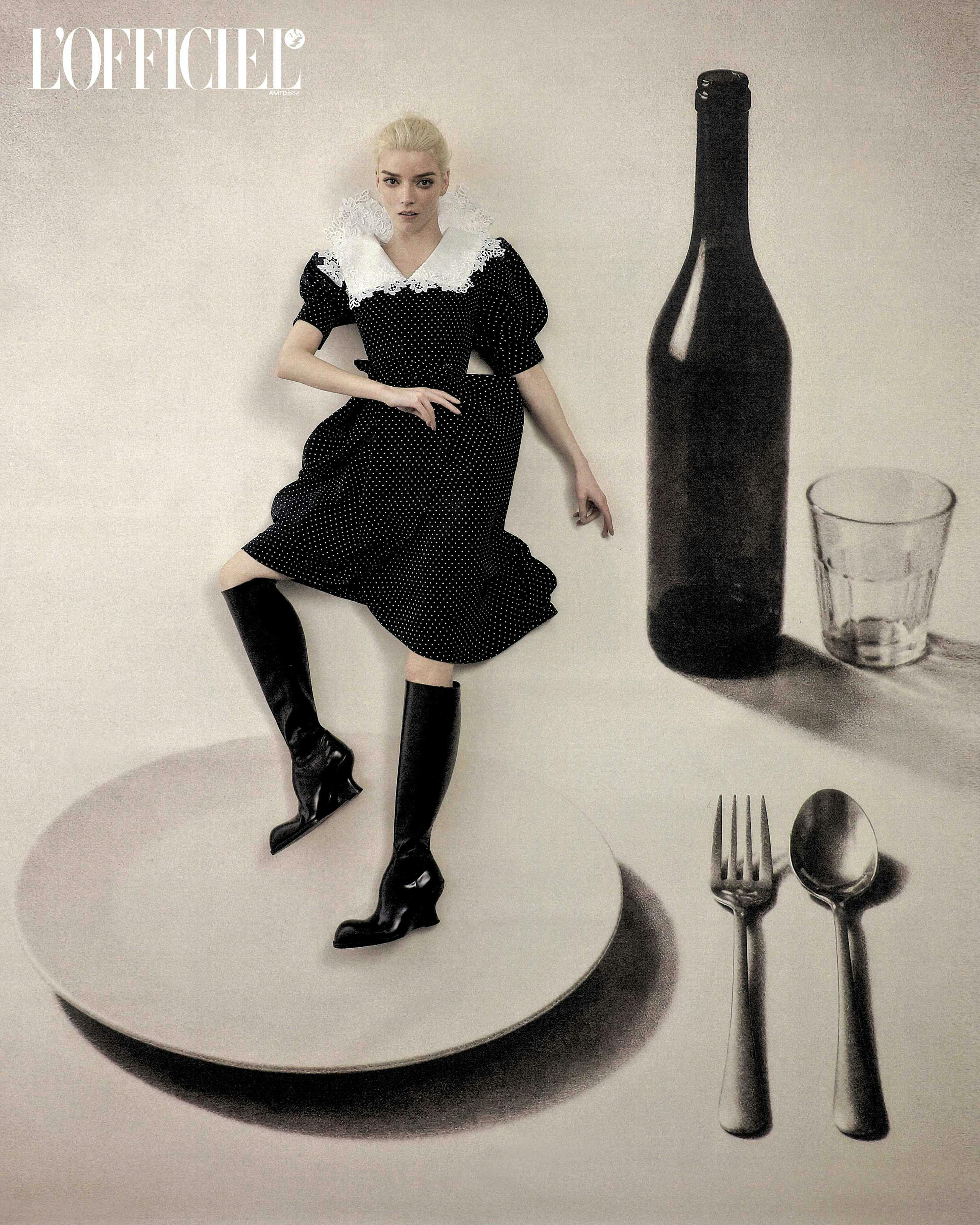
When we speak, she’s on a rare self-imposed spring break of sorts—not necessarily the relaxing kind, but one where she keeps moving. Post-Coachella, she’s gearing up to embark on a week-long road trip with friends, winding her way from California to Florida—her accidental home state, since she was born while her parents were vacationing in Miami—to attend a wedding.
“This is the first time that I’ve actually taken intentional time off away from set, and I’m filling it to the brim,” she says. “I’m having so much fun.”
A few days later, dreamy photos of her road trip surface on Instagram and are quickly reshared by fan accounts. In one of them, she stands before a massive rock cliff in Zion National Park, arms outstretched, looking perfectly at peace in the desert.
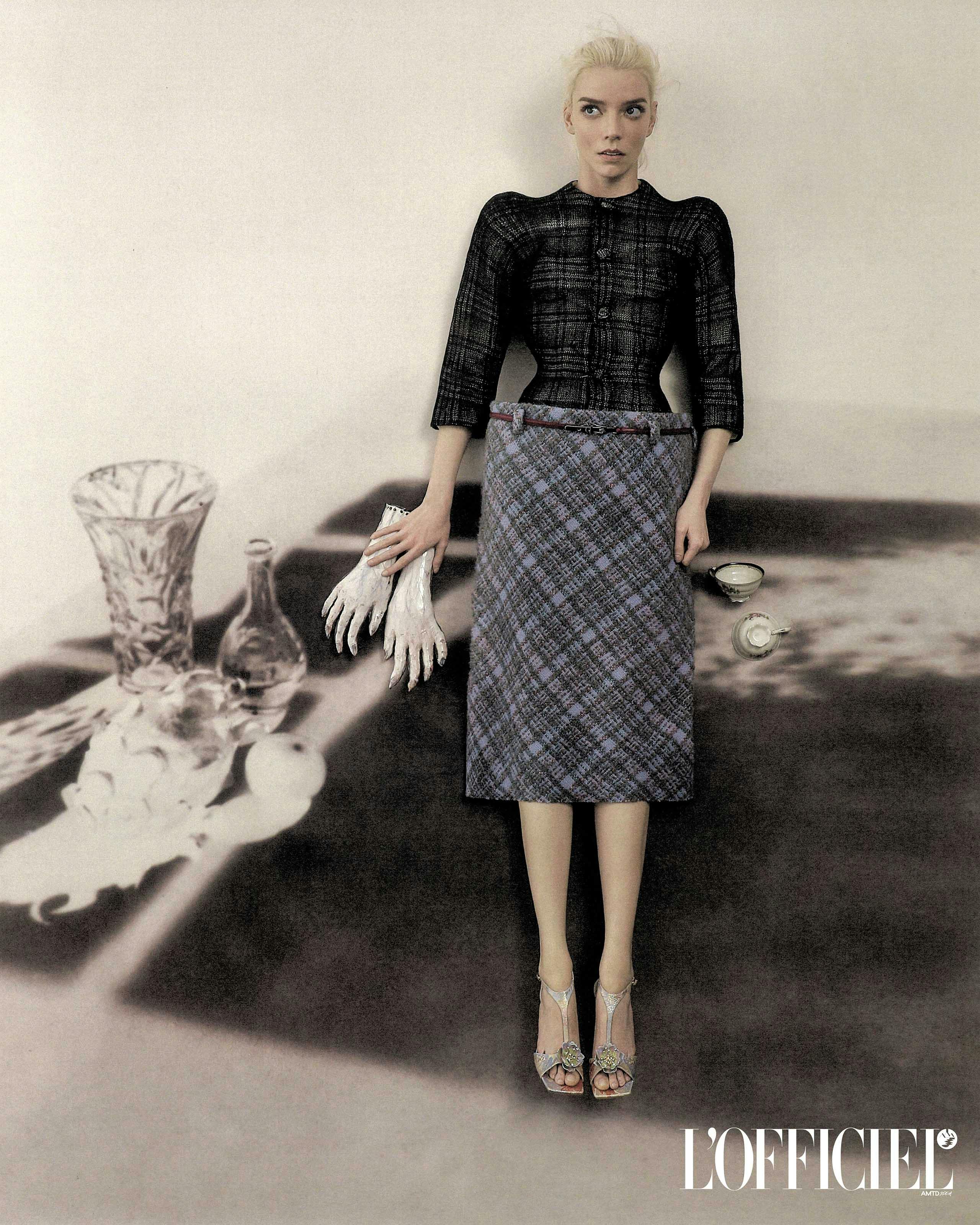
HAIR: Gregory Russell THE WALL GROUP
MAKEUP: Georgie Eisdell THE WALL GROUP using DIOR BEAUTY
MANICURE: Kim Truong A-FRAME AGENCY
SET DESIGN: Nicholas Des Jardin STREETERS
PRODUCED BY: Dirty Pretty Productions, Abigail Perl, Felipe Torres Utro, Mateen Mortazavi, Ryan Gus, and Yousra Attia
DIGITAL TECH: DJ Dohar
PHOTO ASSISTANTS: Gianluca, Hector Perez, Alex Kennison, and Adam Ambriz
STYLING ASSISTANTS: Annina Luomahaora and Naiara Gomez