Few fragrances have crossed over from scent to phenomenon quite like Baccarat Rouge 540. Since its debut in 2014, the Maison Francis Kurkdjian creation has evolved beyond perfume counters and beauty circles into a true cultural fixture—one that has sparked endless conversation, inspired online obsession, and earned a place in the everyday scent vocabulary of […]
4
min.
Few fragrances have crossed over from scent to phenomenon quite like Baccarat Rouge 540. Since its debut in 2014, the Maison Francis Kurkdjian creation has evolved beyond perfume counters and beauty circles into a true cultural fixture—one that has sparked endless conversation, inspired online obsession, and earned a place in the everyday scent vocabulary of a generation. But in ICON(S): Maison Francis Kurkdjian, a new documentary from Terminal 9 Studios now available on Prime Video, the famed perfumer looks beyond virality and returns to the story at the fragrance’s core.
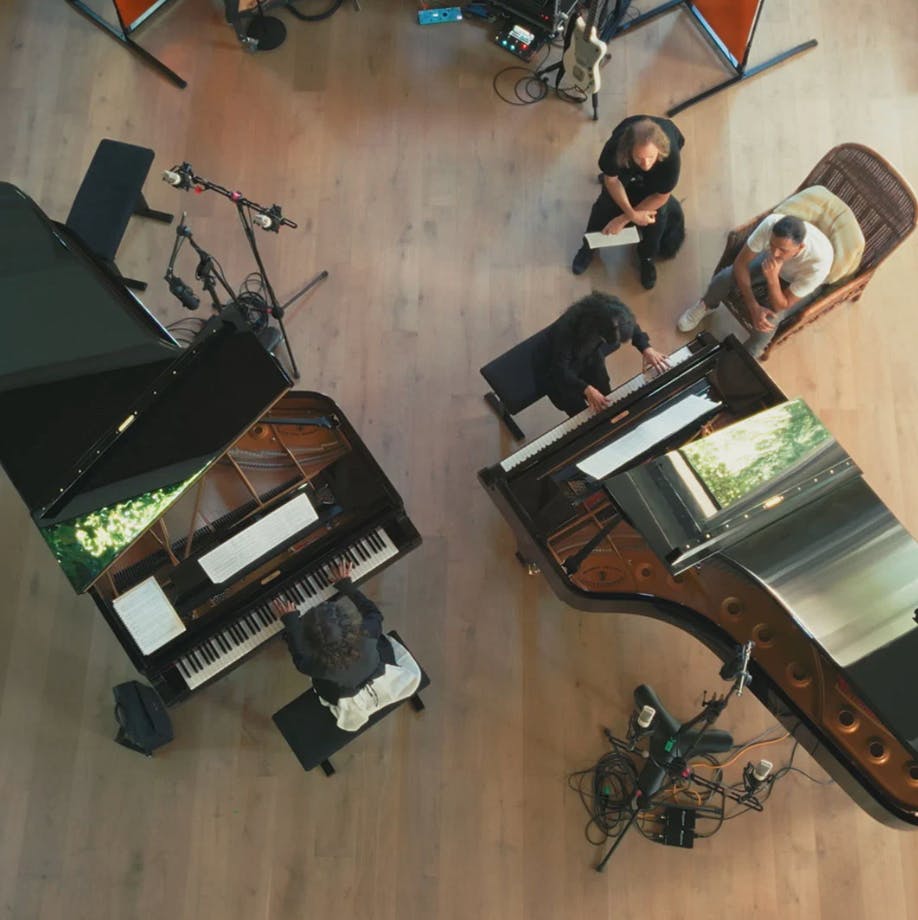
The film traces the origins of Baccarat Rouge 540 while expanding its world into something larger: an artistic experiment rooted in friendship and collaboration. For the project, Kurkdjian enlisted longtime friends and creatives—including chef Anne-Sophie Pic, artist Elias Crespin, filmmaker David Chalmin, and musicians Katia and Marielle Labèque—to reinterpret the fragrance through their own mediums. The result is a multi-sensory conversation that transforms scent into music, movement, culinary expression, and visual art.
Ahead, L’OFFICIEL sat down with Kurkdjian to discuss the documentary, why he intentionally avoided making it feel „over-marketed,“ the organic rise of Baccarat Rouge 540, and why creating—like perfume itself—is ultimately all about nuance.
LOFFICIEL: I’m curious—how did it feel translating something as invisible as scent into a shared physical experience through film?
FRANCIS KURKDIJAN: It was about finding the right people. I can cook, but I’m not a chef. I can take pictures with my phone, but I’m not a visual artist. I play piano, but I’m not a composer. So when you find an extension of yourself in someone who masters another medium, it feels very natural.
These relationships were built over time. I met some of these people 10, even 18 years ago. We became friends. So for me, it felt like calling friends to create something together.
LO: Seeing your fragrance interpreted through music, food, and visual art—did it make you see Baccarat Rouge differently?
FK: No, because this is something I already had in mind. They simply translated it.
David created music that combined classicism with something contemporary and electronic. That feels very much like me—I love classical music, but I also listen to contemporary music.
The same happened with the culinary work. These are ideal versions of myself through someone else’s craft. I see them as extensions of me.
LO: Was it always important that the collaborators be friends?
FK: Completely. I didn’t want it to feel over-marketed.
When I was young and studying ballet, I loved reading about creative circles—friends gathering together, sharing ideas over dinner or wine. Someone designs costumes, someone composes music, someone creates sets. Suddenly you have something beautiful. I’ve always loved that idea: a group of friends making something together.
At first people suggested, “You should call this person, you should call that person.” But I’m shy in a way, and I value intimacy. I wanted people close to me.
LO: It felt intimate watching it. Did everyone know your vision from the beginning?
FK: No. I never sat down and drew a master plan. I simply put people in a room and said, “Trust me.” No one knew exactly where it was going. That was exciting—and maybe a little scary—but afterward we all thought, we should do something together again.
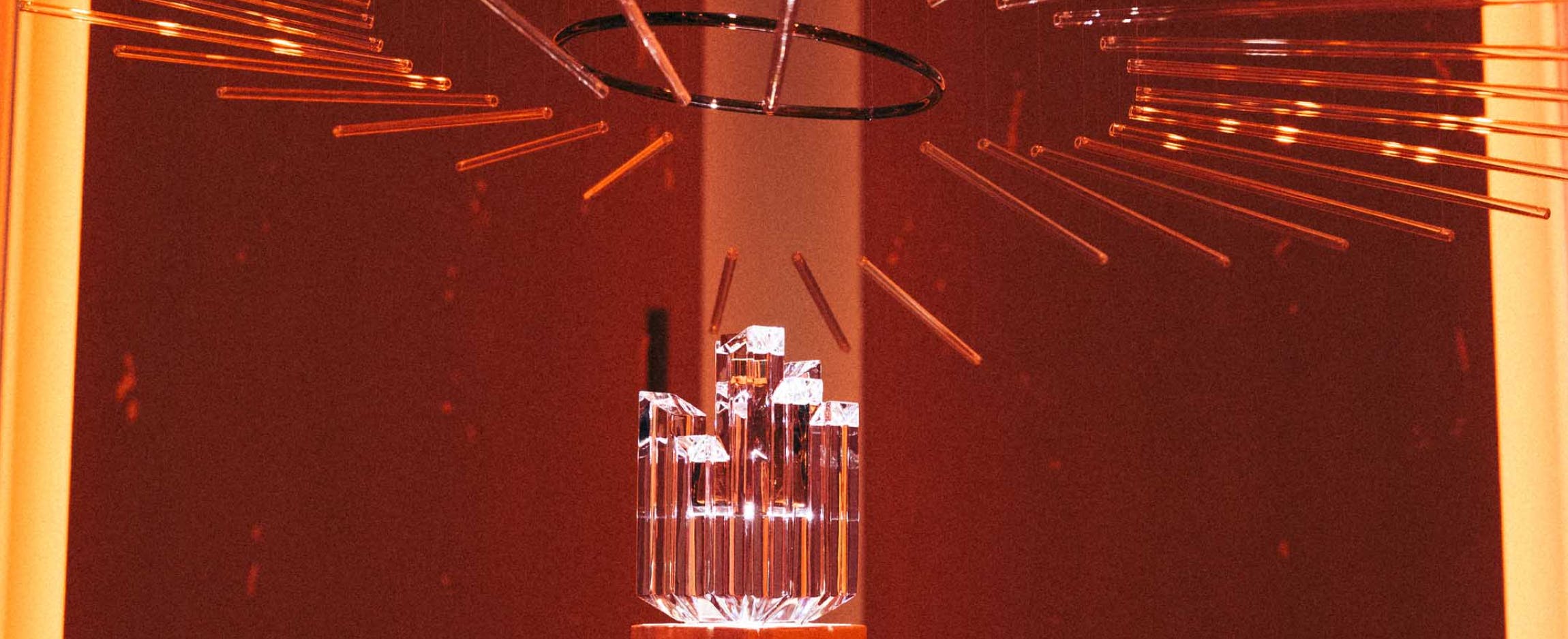
LO: What was it like having cameras follow you for a year while filming the documentary?
FK: I had one rule: no retakes. I told them, “Mic me beforehand, film whatever you want—but I’m not an actor.” I wanted everything to be honest.
LO: In a world that values virality and immediacy, what do you think about the rise of “viral” fragrances?
FK: I think we need to be careful. Years ago virality felt real because brands weren’t trying to manufacture it. Now sometimes it feels created. Baccarat Rouge was different. It happened organically. We had no strategy. We had no TikTok account. People were asking us what our strategy was—and we had none. At one point we opened an account simply because people kept talking about us.
LO: Has your relationship with Baccarat Rouge changed as it’s become this cultural phenomenon?
FK: I’ve learned to create distance. There is me at work and me privately. Not two different people—but a separation. To create something new, eventually you have to step away from what you made. Once I share a perfume and someone reacts to it, it doesn’t fully belong to me anymore. The relationship changes. It’s like introducing someone you love to your family. Suddenly other opinions enter the room, and your own perception shifts.
Perfume is intimate in exactly that way.