Following the Department of Health and Human Services’ announcement that it is decertifying an organ procurement group serving Kentucky, others are urging people not to let it color how they see organ donation as a whole. At a news conference Wednesday, HHS Secretary Robert F. Kennedy Jr. said federal reviewers found “serious deficiencies” in nearly […]
Menej ako 1 min.
min.
Following the Department of Health and Human Services’ announcement that it is decertifying an organ procurement group serving Kentucky, others are urging people not to let it color how they see organ donation as a whole.
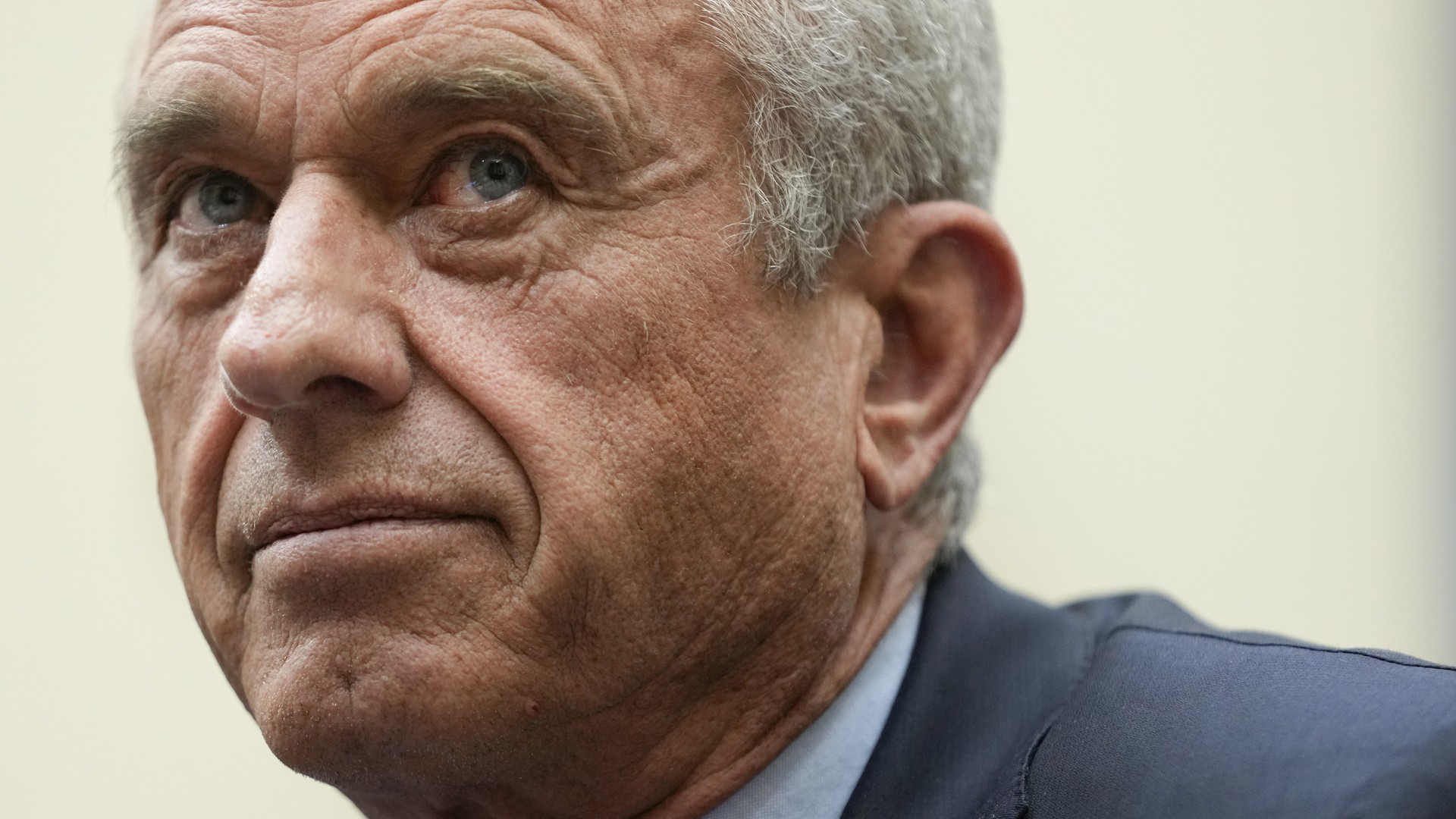
At a news conference Wednesday, HHS Secretary Robert F. Kennedy Jr. said federal reviewers found “serious deficiencies” in nearly 30% of cases they examined at Network of Hope, which manages donations for Kentucky as well as parts of Indiana, Ohio and West Virginia.
“We found patients placed on the organ donation pathway who should have never been there,” he told reporters. “We found cases where the donation process continued, despite signs that patients were not appropriate organ donors.”

Download the Straight Arrow app today to get the stories that matter free from manipulation, bias or agenda.™
Point phone camera here
Network for Hope CEO Barry Massa said the organization plans to appeal, adding that it is compliant with all Organ Procurement and Transplantation Network procedures. He also said Network for Hope implemented a “pause in procedure process,” which is required by Kentucky law. HB 510 makes it so there has to be a “pause in procedure” if there is a change in a patient’s neurological status, observed or suspected indication of life, or “uncertainty” regarding the accuracy of their neurological status or death declaration assessments.
“Despite this, and despite NFH’s demonstrated dedication to improving organ and tissue donation outcomes across its service area, Secretary Kennedy has acted to decertify our OPO that serves seven million people across four states,” Massa said in a statement.
In a statement, the Association of Organ Procurement Organizations said it supports actions to strengthen the nation’s organ donation and transplant system.
If one of these organizations falls short of legal standards or requirements, the group said it supports holding them accountable, even if it means decertification.
“At the same time, any enforcement process should be transparent, evidence-based, consistent, and provide appropriate due process, including the opportunity to appeal,” the AOPO said.
It added that the HHS’ decertification of Network of Hope shouldn’t “diminish public confidence in the nation’s broader organ donation and transplantation system.”
“OPOs across the country actively embrace and implement strict processes and protocols to fulfill their primary mission of saving and improving lives through organ donation and transplantation,” the association said. The Mayo Clinic stresses on its website that strict steps are put in place before an organ donation can proceed, and that health care professionals run tests to make sure the person donating is actually dead. Members of OPOs also do not declare someone’s death — the doctors at their hospital do.
AOPO urged HHS to publicly explain the evidence behind decertification, and communicate the next steps to “sustain continuity of organ recovery and donation services, minimize disruption for donor families, transplant programs, and patients awaiting transplantation, and ensure the process is transparent, consistent, and grounded in facts.”
Kennedy himself said at the news conference that most organ procurement organizations “carry out this work with professionalism, compassion, and deep respect for both donors and recipients.” He characterized Network for Hope specifically as a “bad apple.”
What did HHS say about Network for Hope?
Between 2021 and 2024, the Centers for Medicare & Medicaid Services and Health Resources and Services Administration, or HRSA, examined 351 cases where organ donation was authorized but not completed at Network for Hope.
According to HHS, the agencies found 103 cases showed “concerning features,” including 73 patients who they said showed neurological signs incompatible with organ donation.
Some potential donors, HHS said, might not have been dead when the organ procurement was initiated.
“Evidence pointed to poor neurologic assessments, lack of coordination with medical teams, questionable consent practices, and misclassification of causes of death, particularly in overdose cases,” HHS said.
One of the cases that received national attention was that of TJ Hoover. A whistleblower who formerly worked for the organization told Congress that staff at Network for Hope started to recover Hoover’s organs while he was still alive.
Hoover’s sister, Donna Rhorer, described at Wednesday’s news conference how her brother’s eyes tracked her during his honor walk, and that the organ procurement process continued despite Hoover “thrashing, crying, and grabbing the doctor’s hands to stop him.”
Rhorer said while her brother is still alive, five years later, “he is not the same.” He suffers from nightmares, she said, and she has to take care of him.
Network for Hope said at the time it reviewed the case and “remains confident that accepted practices and approved protocols were followed,” CNN reported. The case was “inaccurately represented,” Network for Hope said, including by “individuals never involved with this case.”
Then came a June 2025 report by The New York Times that showed officials at Network for Hope “ignored signs of growing alertness” in dozens of other potential donors, along with Hoover.
Since these issues came to light, HHS has worked on reforming the organ transplant system. Under an HRSA directive, data about safety-related stoppages of organ donation called for by families, hospitals or organ procurement staff has to be reported to regulators.
The Organ Procurement and Transplantation Network is also mandated to update policies to strengthen organ procurement safety and provide “accurate, complete information about the donation process to families and hospitals,” HHS said. In 2025, HHS had the network start a comprehensive corrective action plan and a monitoring program. That same year, HRSA and CMS initiated their own federal reviews.
Cases like Network for Hope’s are rare, organ transplantation org says
The American Society of Transplantation stressed that though it is “crucial” to address the questions raised by these media reports and congressional inquiries, the cases that they describe are rare.
“The U.S. organ donation and transplant system enables thousands of safe, lifesaving transplants each year,” the American Society of Transplantation said in September 2025. “Yet, public misperceptions about the deceased donor process and organ donation safeguards may discourage individuals from choosing to register as organ donors, thus limiting organ availability when it is needed most. More than 100,000 Americans are waiting for an organ transplant, and we must ensure continued public support and trust for this life-saving mission.”
Health systems in Kentucky told Louisville Public Media they don’t expect delays in their organ procurement programs, despite Network for Hope’s decertification, and organ transplants will continue.
“For patients, families and organ donors, our message is simple: you can continue to place your trust in the UK Transplant Center,” a statement from UK HealthCare to Louisville Public Media said. “Our expert teams remain focused on delivering exceptional transplant care, with no expected disruption in services as a result of the announcement made by the Health Resources and Services Administration.”
According to the Association of Organ Procurement Organizations, there were more than 46,000 deceased donor organs transplanted in 2025. This resulted in 40,000 lives saved, the association said.
“AOPO and its members are committed to working with federal regulators and stakeholders to build upon more than a decade of sustained progress while maintaining the public’s confidence in a donation system that saves thousands of lives each year,” the association said Wednesday. “As HHS implements today’s decision, protecting patients, supporting donor families, and ensuring uninterrupted donation and transplantation services must remain the highest priority.”
Democratic Kentucky Gov. Andy Beshear said at a news conference on Thursday that he’s looking for another organization to take Network for Hope’s place.