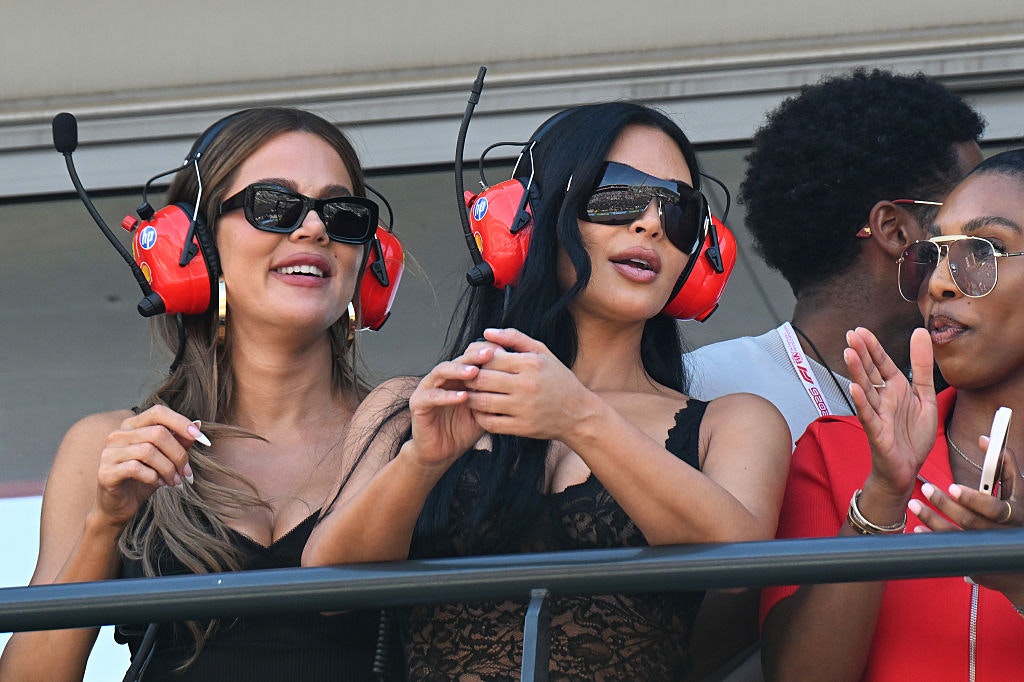
Starting off with an explosive Knicks triumph that electrified New York City like never before to Kim Kardashian’s highly anticipated appearance in the Monaco F1 paddock, culminating in the twists, turns, and global frenzy surrounding the 2026 FIFA World Cup, it seems as though there’s been a major sporting event every week this summer—and the […]
16
min.
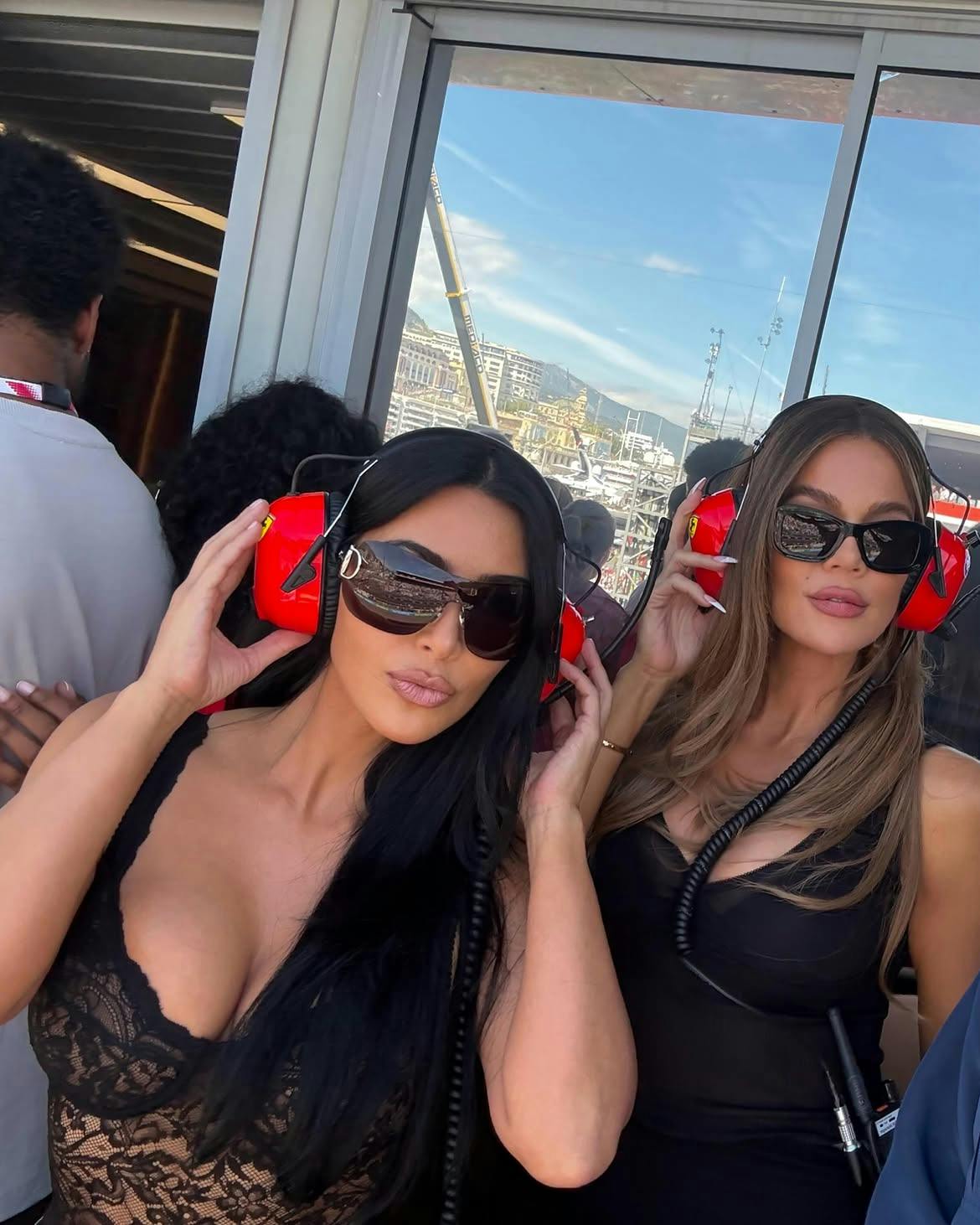
Starting off with an explosive Knicks triumph that electrified New York City like never before to Kim Kardashian’s highly anticipated appearance in the Monaco F1 paddock, culminating in the twists, turns, and global frenzy surrounding the 2026 FIFA World Cup, it seems as though there’s been a major sporting event every week this summer—and the season is far from over, with the US Open still on the horizon. And while there have been a few changes that have made sports more in-your-face than ever (the FIFA World Cup, for instance, has expanded from 32 to 48 teams), the sports calendar itself has remained largely unchanged. Perhaps what’s different is simply how closely we’re watching. Or maybe it’s the fact that it’s no longer just the usual superfan celebrities like Spike Lee or Patrick Dempsey being spotted courtside or trackside. This summer, the fashion crowd is also stepping onto the field.
While passionate fans have, of course, been following their teams around the world for decades, the rise of figures like Jordyn Woods as the face of the NBA’s courtside and Alix Earle as a recurring presence at Grand Prix weekends signals something bigger: sporting events are becoming the new status symbol. Trading Dioriviera and Saint Laurent Rive Gauche totes for non-branded clear bags that can pass the most strict stadium security and swapping lip combos for portable chargers and electric fans, the fashion crowd is proving that its latest obsession extends far beyond the front row. As influencers and celebrities increasingly take over paddocks, courtside seats, and VIP boxes, sporting events are emerging as the ultimate aspirational experience—tempting us to swap St. Tropez sunbeds for a seat in the stands.
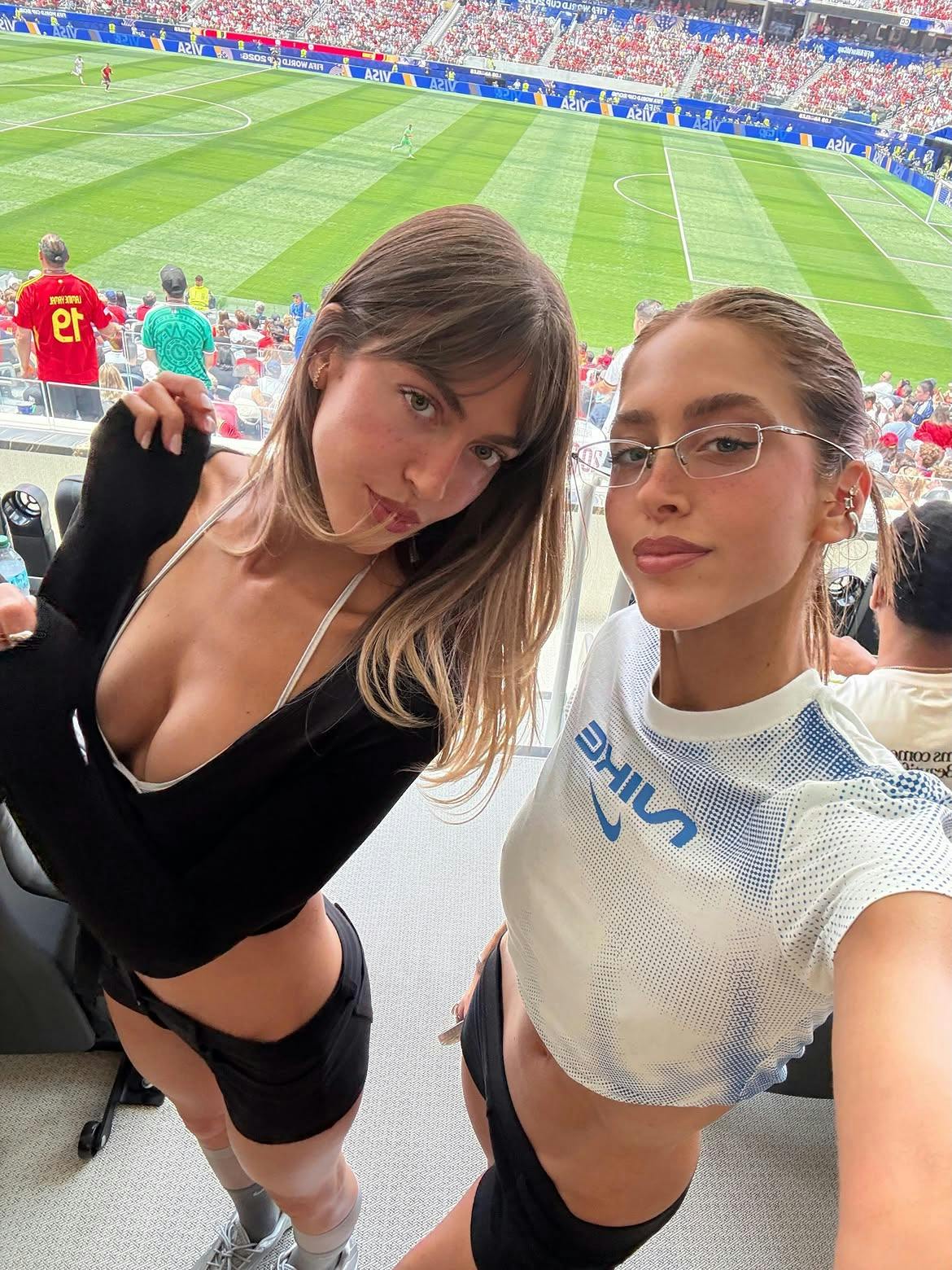
While digital accessibility and streaming services have made it possible to follow international competitions from virtually anywhere, that constant access seems to have only intensified Gen Z’s and Millennials’ appetite for experiencing these events in person. But, ironically, as major sporting events become increasingly accessible online, the real-life experience is becoming increasingly out of reach (a.k.a. ridiculously expensive). And this rise extends far beyond the stadium, driving massive growth across the tourism industry as fans travel everywhere from Indianapolis to Singapore to kick their fandom up a notch.
Right now, sports tourism accounts for around 10% of global tourism spending, but this share is projected to rise to 17.5% by 2030. That surge in demand is reflected in ticket prices, too. An average resale ticket to the 2022 FIFA World Cup final in Qatar cost around $1,607, while comparable tickets for this year’s final fell around $11,000—helping earn the 2026 tournament a reputation as the most expensive World Cup in history.
Luxury brands, meanwhile, are more invested than ever in the world’s biggest sporting events. Gucci, for example, announced its foray into Formula 1 through a partnership with Alpine this past May, becoming the first luxury fashion label to serve as a title partner of an F1 team. Hospitality giants are equally focused on creating the ultimate experiences for their most cherished clients. As demand for unparalleled access, unique opportunities, and exclusive perks continues to reshape the way we travel, lifestyle brands are more than ready to bring their A-game.
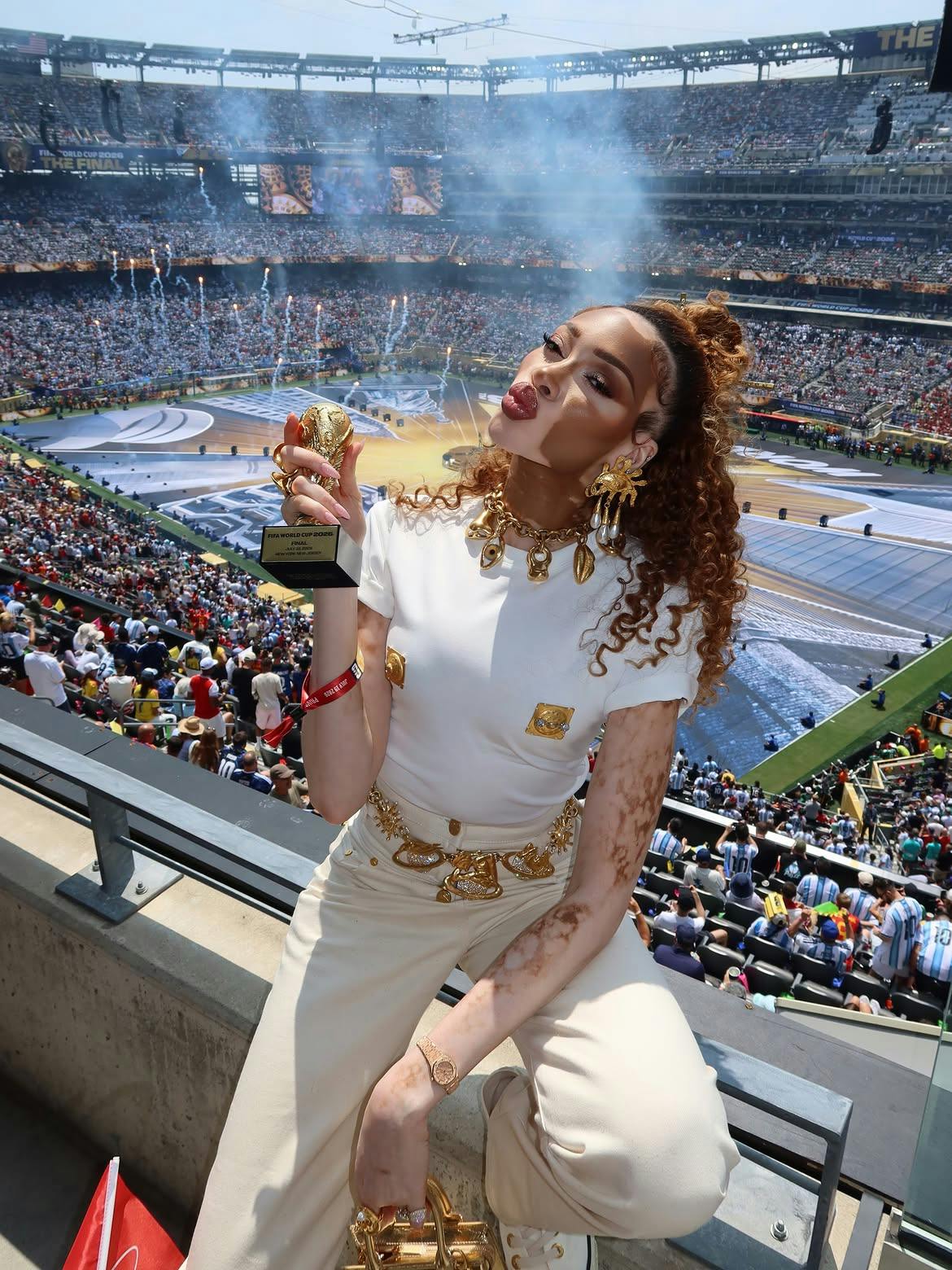
Marriott Bonvoy, a longtime expert in once-in-a-lifetime experiences, is a prime example of a brand getting ahead of the game when it comes to sports tourism. With an extensive roster of sports partnerships and one of the world’s largest hospitality portfolios, the platform is proving that the experience can extend far beyond the ticket. Most recently, its Sleepover Suite activation gave two lucky fans the opportunity to spend the night before the FIFA World Cup 2026 Final in a reimagined luxury suite inside New Jersey’s MetLife Stadium, just steps from the pitch where Spain and Argentina were set to make soccer history.
Their dedication to creating unforgettable fan experiences spans everything from the world’s buzziest sporting events to its most niche, from their partnership with the Mercedes-AMG Petronas F1 Team to their association with the International Cricket Council. Through Marriott Bonvoy Moments, members can access the ultimate money-can’t-buy experiences—literally. Most of these opportunities aren’t available for purchase, as they can only be unlocked by bidding with Marriott Bonvoy points or won through global Marriott Bonvoy sweepstakes. For those craving exclusivity, it doesn’t get much more exclusive than that.
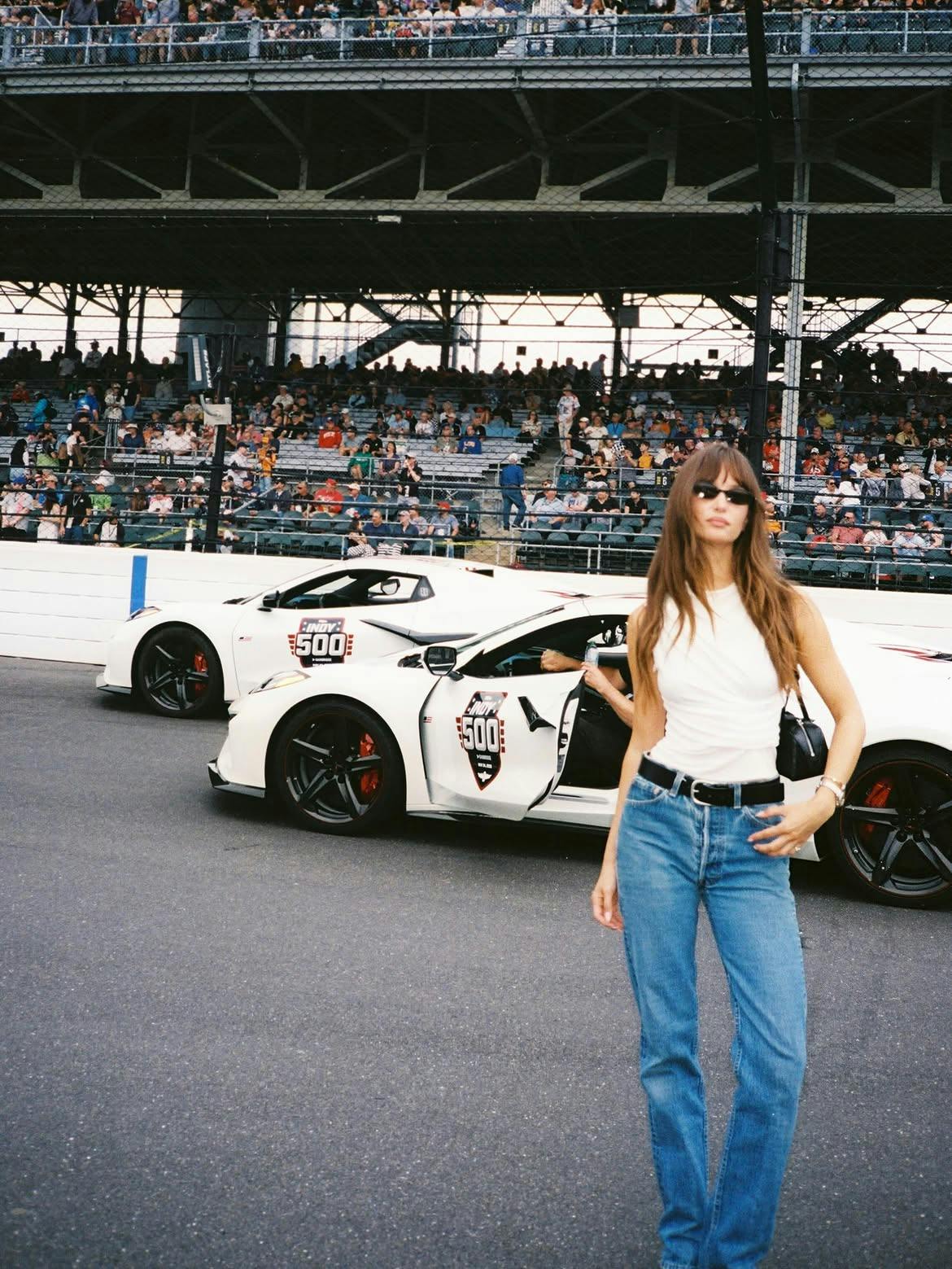
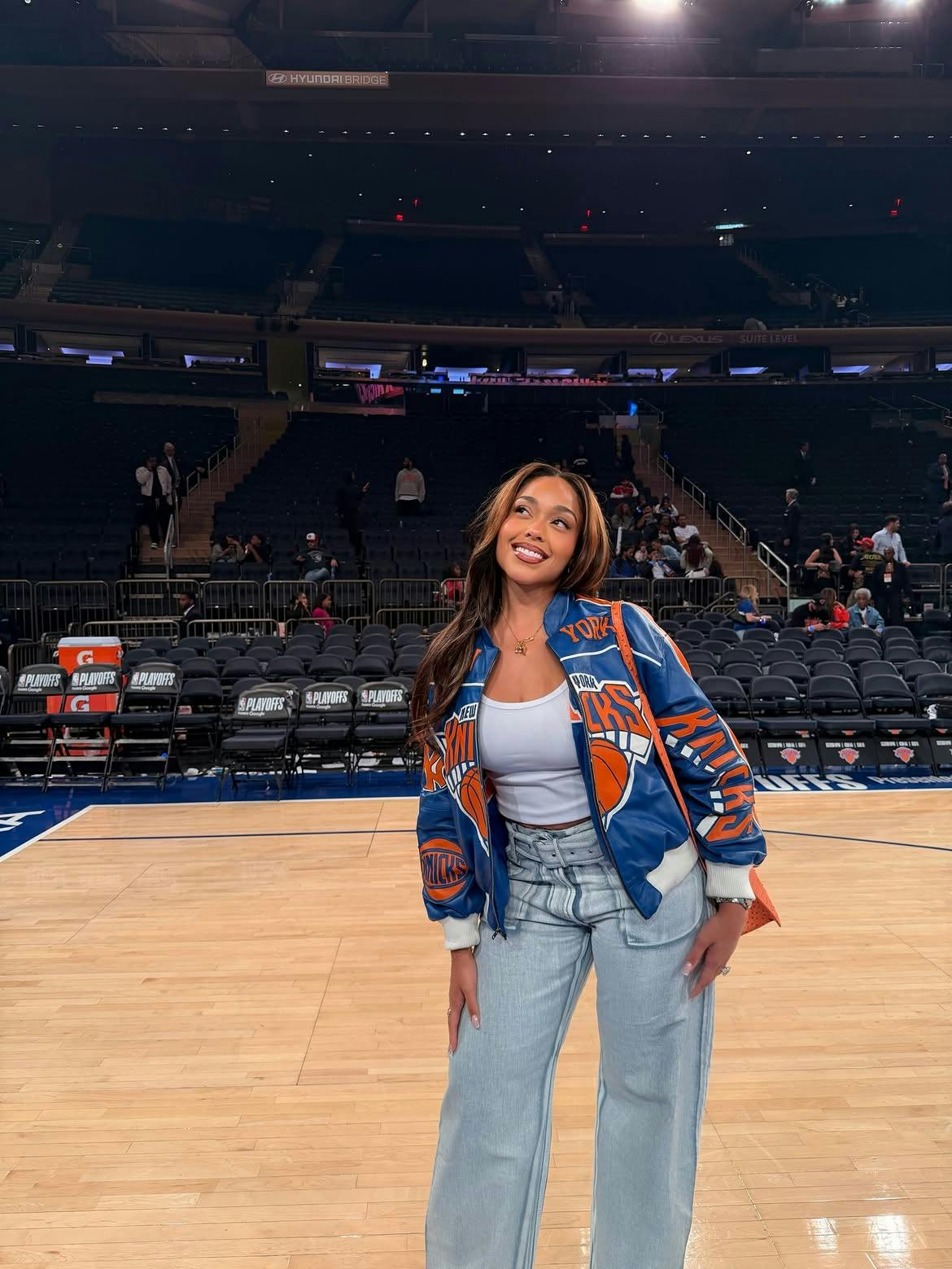
As someone who has made her way from European beach clubs to American stadiums this summer, I can confirm that the sports-fashion pull is very real. Although visiting Atlanta was definitely not in my 2026 summer bucket list, the Argentina vs. England FIFA World Cup match was enough to add the unlikely destination to my itinerary. The trip offered a firsthand look at what it means to travel somewhere solely for an experience, with the match becoming the main event and everything else falling naturally into the background—very different from my usual, type-A approach to travel. That felt entirely opposite from attending the Miami Grand Prix a few months earlier: a city I visit regularly, experienced through an entirely new lens as the entire weekend revolved around the race. Of course, Marriott Bonvoy’s unmatched hospitality helped make both trips feel like a win, regardless of the results.
And I’m hardly alone. From racetracks to tennis courts, fashion insiders are increasingly swapping traditional summer escapes for the world’s biggest sporting events. So, I asked a few of them to share their most recent sport-centered trips, what’s drawing them into this growing trend, and whether sports might officially be the new Euro summer.
Emily Ann Willcox on the Barcelona Grand Prix
L’OFFICIEL: Summer sporting events seem to be replacing the traditional Euro summer itinerary — what made the Barcelona GP worth traveling for?
EMILY ANN WILLCOX: Summer sporting events have become the new status symbol; people want to be seen at things like the Grand Prix. When you’re traveling to any city, you want to know there’s going to be more going on than just the event itself, and Barcelona is a city I already love. There’s so much culture, and even walking down the beach you see people rollerblading, playing football, volleyball; it’s got that sports and wellness lifestyle baked in. Then obviously there’s the race experience itself: being in the paddock, the access, the food. This was my third track experience (I’ve done Silverstone, Las Vegas and Barcelona), and Barcelona has by far the most summer energy of the three. Getting to experience the Grand Prix with Marriott Bonvoy and the Mercedes-AMG Petronas Formula One team alongside a stay at W Barcelona gave the weekend a touch of luxury as well.
L’O: F1 has become as much about hospitality, fashion and ambiance as it is about racing — what surprised you most about the atmosphere?
EAW: The hospitality is genuinely hard to beat, especially with paddock club access. But I think fashion and ambiance get slightly overstated; that’s more of an Instagram narrative, where you’re seeing what Kim Kardashian’s wearing rather than what’s actually happening trackside. Most people in the stands are there because they’re die-hard fans, and that’s what really creates the atmosphere. Even in the paddock club, you’re sitting with the team, people who helped put the whole thing together. So it’s fans through and through. It’s not Wimbledon, where there’s an unspoken dress code. What surprised me most, honestly, is that most people are just there for the race.
L’O: Are there other sports you think are having a similar cultural moment?
EAW: Wimbledon, definitely. You’ve got players like Naomi Osaka who wore a floor-length white kimono-inspired robe for her walk-on at Wimbledon this year, then removed it to reveal her regular Nike tennis kit underneath before playing. This sort of statement just wasn’t happening before. As I said, going to these events now reads as a status symbol, a prestige thing. Football too, especially with the World Cup, but also women’s football and women’s rugby – women’s sport generally is being pushed as more than just a sporting experience, but also a fashion and cultural moment. I don’t think that’s surprising given how obsessed our generation is with wellness and longevity. Clubbing all night isn’t really the aspiration anymore; being seen at a sporting event is considered classy in a way clubbing culture used to be.
L’O: What made the experience feel memorable in a way a typical vacation might not?
EAW: I was with Marriott Bonvoy, who is a partner of the Mercedes-AMG Petronas Formula One team, and I’ve done the garage and paddock with them multiple times now, so it was really nice coming back to “oh, you’re back again,“ feeling like part of the team rather than the guest. Lewis Hamilton winning that race was memorable too, given what an iconic British figure he is. And even though I wasn’t with the winning team, F1 doesn’t have the same tribal edge as football; everyone’s fairly humble and gracious about it, win or lose. Beyond that, it’s the small things: a little race car souvenir from the day, exploring the city over the weekend, doing the normal holiday stuff too. You come away with something tied to a specific place and moment (“I was there when X happened”), which you just don’t get from a typical vacation.
Eliza Huber on WNBA All-Stars Weekend
L’OFFICIEL: You recently visited Chicago for the WNBA All-Star Weekend. How did it differ from exploring the city during a regular trip?
ELIZA HUBER: I was actually born and raised right outside of the city, and for the first time, this trip was like visiting Chicago as a tourist. I’m 30, and I spent 18 years in Chicago, and still, somehow I hadn’t done so many things, which I realized on this trip. The Skill Challenge was held at the arena my college played in, but I never went when I was younger, so that was a first. I’d never been inside McCormack Place, where W Live was held. And I’d never been to a basketball game at United Center (just hockey—go Blackhawks). There’s so much buzz and excitement around the city too, so you see it through new eyes. The same thing happened last year when I went to Indianapolis for WNBA All-Star, even more so. It was a town taken over by the WNBA, with every restaurant—ones I’ve visited countless times—completely redecorated to accommodate the weekend’s festivities.
L’O: WNBA fandom has a distinct, vibrant culture right now. How did the energy of the crowd compare to other major sports events you’ve attended?
EH: The crowds at women’s sporting events are different than at men’s ones. Women’s soccer legend Megan Rapinoe had Emma Hayes, a professional women’s soccer manager in England, on her podcast, Why Are You Like This? a bit ago, and they talked about this fan phenomenon in the context of the men’s and women’s World Cup tournaments, but I think it relates well to the WNBA as well. Hayes described the difference between men’s and women’s sports as cortisol versus dopamine. „When I go to a men’s Premier League game, it’s fueled—it’s high octane,“ Hayes says. „A high cortisol–driven experience,“ she continues, assuring that she loves that about it—sometimes. „It can be quite dangerous.“ On the other hand, she describes the women’s game as about fan enjoyment and people getting along while watching a sport they love. „It’s without the animosity. It’s without that threat of danger.“ It’s just different, and that’s why going to a WNBA game, even alone as I’ve done a few times now, feels safe and fun, and like the kind of environment where you always leave with a new friend or connection.
L’O: Sports tourism is having a massive cultural moment right now. Do you see it as a passing trend, or a permanent shift in how our generation travels?
EH: Definitely not a passing trend. Travel is so expensive right now, so I think justifying that cost by adding on a once-in-a-lifetime experience makes a lot of sense. I’ve traveled for plenty of sporting events—the Italian Grand Prix, for example; I built an entire summer trip around it with my partner. We wanted to feel the Tifosi’s energy at home. Same goes for my WNBA team, the Indiana Fever. I’ve traveled to see them at home plenty of times. We even went to both Iowa City, Iowa, and New Brunswick, New Jersey, for University of Iowa women’s basketball games. I think the same goes for art, music, and more—we need more than just a beach to justify spending thousands of dollars on flights and hotels. These cultural moments offer that.
Leoonie on Silverstone Grand Prix
L’OFFICIEL: Why do you think sporting events have become such a cultural phenomenon?
L: I think sports have become so much more than just the event itself. It’s about the atmosphere, the people, the energy, and everything that happens around it. Whether it’s football, tennis, the NFL, or getting to experience Formula 1 with Marriott Bonvoy at Silverstone, you get to experience it alongside thousands of other fans—and that shared excitement is what makes it so special. Social media has also played a huge role. You see all the highlights, the outfits, the travel, and those unforgettable moments, and it instantly makes you want to be there and experience it for yourself.
L’O: Do you find yourself planning future vacations around sporting events rather than destinations? Do you think this may be the new way to travel?
L: Not yet for a sports event, but for concerts—for example, recently in London for Bruno Mars. Actually, after the incredible experiences I’ve had recently with Marriott Bonvoy, I’m definitely starting to think about it. I think it’s such a great idea to combine a trip with a special event. It gives every journey a true highlight and allows you to experience a city, region, or destination in a completely different way. I can absolutely imagine this becoming a new way of traveling for many people, because in the end, it’s not just about taking a holiday—it’s about creating unforgettable memories that stay with you forever.
L’O: What makes these trips different from a traditional summer vacation?
L: With trips like these, there is simply always something happening. You’re not just spending your time lying on the beach or going shopping—you experience something new every single day. During the day, you’re out exploring the city, discovering new places, and then, of course, enjoying the main event. In the evening, you meet new people, go out for dinner, or simply enjoy the atmosphere. It just feels much more active, and you take home so many incredible impressions and memories. That’s exactly what makes a trip like this truly unforgettable.
L’O: How does your packing list differ from what you’d normally bring on a traditional summer trip?
L: Definitely comfortable shoes and a clear bag for the event. You’re often out and about all day and end up walking an incredible amount. Apart from that, I usually bring more outfits—or outfits specifically tailored to the event—because events naturally offer so many more opportunities to create great content. A power bank has also become an absolute must-have by now. You take so many photos and videos throughout the day that your phone’s battery never seems to last long enough.
Kristina Ang on Wimbledon
L’OFFICIEL: How did Wimbledon change the way you experienced London? Did you discover anything because of the event that you otherwise wouldn’t have?
KRISTINA ANG: As a tennis connoisseur, going to Wimbledon was a really meaningful part of my first trip to London. Something really cool I discovered during my time there was Wimbledon Village, the historic local area surrounding the grounds, where many local businesses compete in an annual Village Windows Competition. It was cool to drive by the village and see so many elaborate tennis-themed floral displays and window decorations. That is something I never would have experienced if it wasn’t for attending Wimbledon.
L’O: From the dress code to the high-profile attendees, Wimbledon is more than just tennis—what surprised you most about the atmosphere?
KA: As a New Yorker who regularly attends the US Open, I’m very accustomed to the loud and energetic atmosphere of the stadiums during matches. However, attending Wimbledon felt like being transported to another world entirely. I was surprised by the stark difference in how crowds react during matches. There’s no loud yelling, booing, or exaggerated cheering—just respectful applause or silence while the players are competing. I found the atmosphere incredibly refreshing and, above all, respectful of the players themselves. I was also pleasantly surprised by the players and attendees‘ commitment to wearing all-white looks. It made the green-and-purple Wimbledon accents pop a lot more.
L’O: For someone debating between a traditional summer getaway and a Wimbledon trip, how would you convince them to choose the latter?
KA: There is so much history and culture surrounding sporting events, and Wimbledon is perhaps the ultimate example. Even if you’re not a huge sports fan, there’s something about the experience that can be universally appreciated. As I mentioned earlier, major sporting events are quickly becoming the new luxury getaway, and Wimbledon is definitely the ultimate luxury experience in the world of tennis.
Taylor Stoddard on Indy 500
L’OFFICIEL: Indianapolis might not be a typical vacation spot, but the Indy 500 is a massive spectacle. What felt unique about discovering the city through the lens of race weekend?
TAYLOR STODDARD: Indianapolis was never on my bucket list. It wasn’t until I started representing a luxury brand that sponsored the Indy 500 that Indianapolis became an important pin on the map for me. Aside from the race, the best part is how the city gives itself over to the Indy 500 culture in its entirety. Locals talk about „the Month of May“ the way other places talk about a holiday season, proving that it’s a full month of programming and not just a weekend. Checkered flags take over the city, businesses create festive marketing programs, and the entire city feels like a celebratory fan zone. You end up seeing Indy in its truest form, and being in Indianapolis any other time feels so dull.
L’O: The Indy 500 draws over 300,000 people. How did the energy of that massive crowd compare to the vibes at other big sporting events you’ve attended?
TS: The Indy 500 is one of the greatest American cultural experiences. It’s roughly 350,000 inside the property, and that’s before you count the fans camping around the Speedway and spread across the city. The scale is genuinely hard for the mind to process. At almost every other major sporting event, the crowd is contained in one arena, one building, and you can usually take it in from a single vantage point. At the Indianapolis Motor Speedway you can’t grasp it all at once. The scale dwarfs the Roman Colosseum tremendously, for comparison.
And the energy feels very orchestrated and ceremonial, which makes it different than other events. There’s a stillness right before the earth-shattering crack of the F16 flyover, the command to start engines—and then boom, a wall of sound that you feel in your chest the second all 33 cars take their first official lap at speed. I’ve been to Olympic events, World Cup matches, championship finals, Formula 1 races, but the Indy 500 is my favorite sporting experience on earth. I tell everyone the same thing: it’s life-altering, and once you go, you’ll want to keep coming back.
L’O: Sports, fashion, and hospitality are having a massive crossover moment. Is sports tourism becoming the new status symbol?
TS: It is, and social media is the clear engine creating that FOMO halo effect. People want to be part of the big moments, and does it even matter if you support the team year-round? Sometimes you just want to be part of the fanfare at peak moments for the camaraderie or the ‘gram.
It’s always exciting to see fashion brands and individuals capitalize on sporting milestones, but what’s far more exciting to me is when a brand commits to a sport well beyond the championship moment. Louis Vuitton makes trophy trunks for soccer, tennis and the NBA, but “Victory travels in Louis Vuitton” is messaging they carry year-round. Thom Browne designs the off-field tailored formalwear for FC Barcelona, or Kith digs into the NFL archives for stylish, league-wide collections. Anyone can show up for the final but sustaining a presence—with relevance—is a different commitment entirely. Watch brands have understood this for over a century, because timekeeping meant being there for every race as a true instrument, not just the “famous” one.
The status follows from that because access can’t be bought. You can buy the jacket, but you cannot buy standing on the grid twenty minutes before the green flag or on the pitch for a World Cup halftime show. The sacredness around invitation-only access is precisely why luxury brands are willing to buy into sponsorship and build integrated strategies around it.
Jordan Rand on MotoGP
L’OFFICIEL: MotoGP races take place in some incredible destinations. How much does the location influence the way you plan and experience a race weekend?
JORDAN RAND: Weather, atmosphere, and culture. I would dress completely differently for the Dallas, TX MotoGP weekend than I would for the Silverstone MotoGP weekend.
L’O: What makes experiencing a race in person so different from watching it at home?
JR: The TV doesn’t give you a scene of how fast they are actually going! And how close they genuinely are to each other. The energy from the crowd makes a big difference as well. At home, you might not scream at the TV with adrenaline or enthusiasm, but in person you definitely will be.
L’O: Would you recommend planning an entire trip around MotoGP to someone who isn’t necessarily a die-hard fan? What makes it worth the journey?
JR: 100%—there is so much to experience for the entire weekend. Two-seater hot laps, sprint races, qualifying, the race itself. Additionally, the food, the culture, the sightseeing you can do outside of the racetrack—definitely worth the trip!
L’O: Do you see the rise of sports tourism as a passing trend or as a permanent shift in the way we experience travel?
JR: I think it’s here to stay. The rise has come from making the sport more accessible through social media and streaming platforms. More and more people are learning about the sport and becoming fans because it’s easier to stumble upon from the comfort of your home and fall in love with the racers and their stories. The natural next step to watching at home, is watching live—and I think it will only continue to grow.